Luke 

 Word of God
|
LUKE
|
||||||
| L1 | L2 | L3 | L4 | L5 | L6 | L7 |
| L8 | L9 | L10 | L11 | L12 | L13 | L14 |
| L15 | ||||||
|
LIFE GROUP |
|
Hear God Speaks
|
|||||||||||||||||||||||||||||||||||||||||||||||||||||||||||||||||||||||||||||||||||||||||||||||||||||||||||||||||||||||||||||||||||||||||||||||||||||||||||||||||||||||||||
| A | LUKE- PRESENTATION | ||||||||||||||||||||||||||||||||||||||||||||||||||||||||||||||||||||||||||||||||||||||||||||||||||||||||||||||||||||||||||||||||||||||||||||||||||||||||||||||||||||||||||
| B |
TTT |
||||||||||||||||||||||||||||||||||||||||||||||||||||||||||||||||||||||||||||||||||||||||||||||||||||||||||||||||||||||||||||||||||||||||||||||||||||||||||||||||||||||||||
| C | Bible | ||||||||||||||||||||||||||||||||||||||||||||||||||||||||||||||||||||||||||||||||||||||||||||||||||||||||||||||||||||||||||||||||||||||||||||||||||||||||||||||||||||||||||
| D | Rapture-Tribulation | ||||||||||||||||||||||||||||||||||||||||||||||||||||||||||||||||||||||||||||||||||||||||||||||||||||||||||||||||||||||||||||||||||||||||||||||||||||||||||||||||||||||||||
| E | SHREW MANAGER | ||||||||||||||||||||||||||||||||||||||||||||||||||||||||||||||||||||||||||||||||||||||||||||||||||||||||||||||||||||||||||||||||||||||||||||||||||||||||||||||||||||||||||
| F | HOLOCAUST | ||||||||||||||||||||||||||||||||||||||||||||||||||||||||||||||||||||||||||||||||||||||||||||||||||||||||||||||||||||||||||||||||||||||||||||||||||||||||||||||||||||||||||
| G | ASCENSION AND PENTACOST | ||||||||||||||||||||||||||||||||||||||||||||||||||||||||||||||||||||||||||||||||||||||||||||||||||||||||||||||||||||||||||||||||||||||||||||||||||||||||||||||||||||||||||
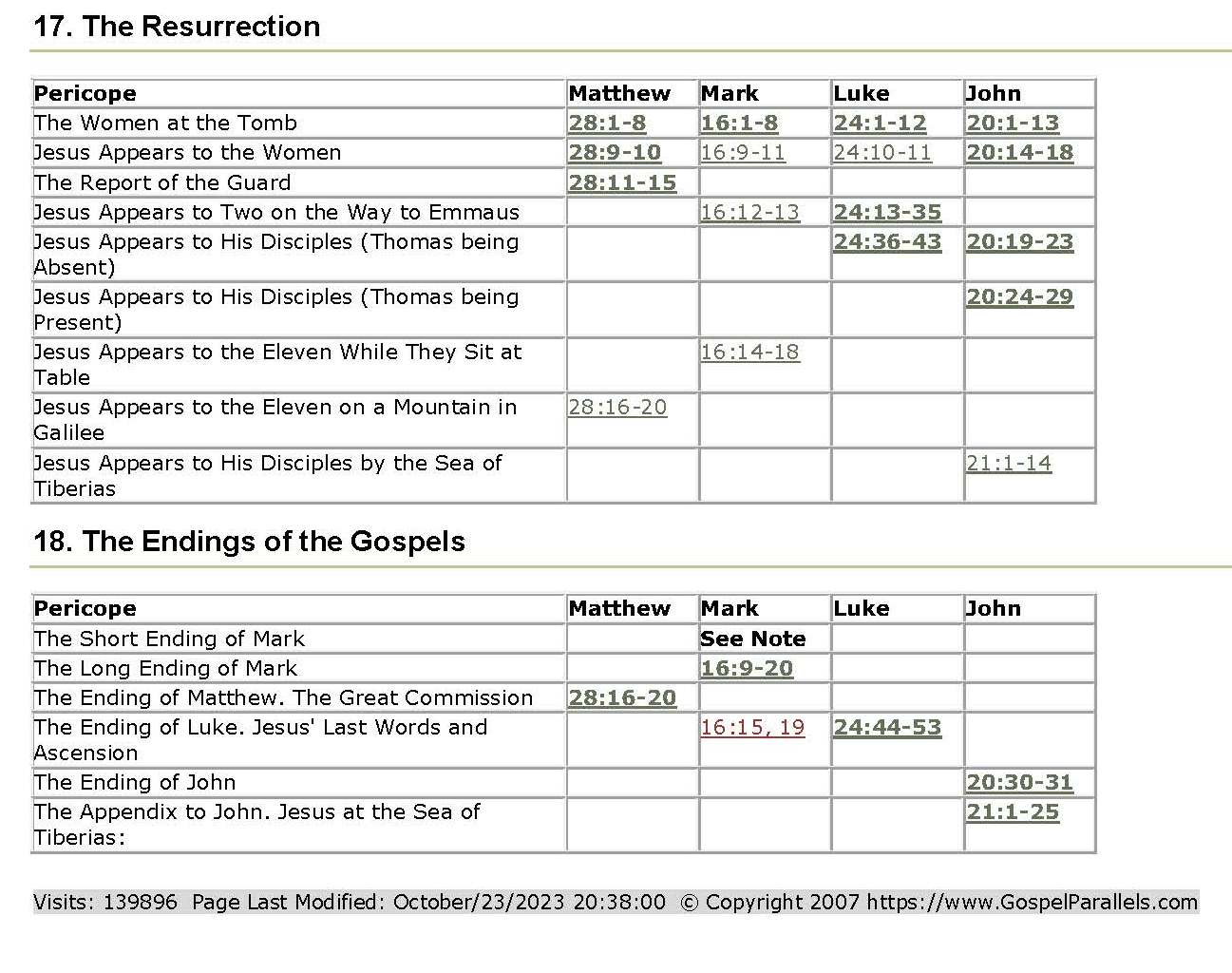
| H | Post-resurrection appearances of Jesus | ||||||||||||||||||||||||||||||||||||||||||||||||||||||||||||||||||||||||||||||||||||||||||||||||||||||||||||||||||||||||||||||||||||||||||||||||||||||||||||||||||||||||||
| I | LIVING IN END TIMES | ||||||||||||||||||||||||||||||||||||||||||||||||||||||||||||||||||||||||||||||||||||||||||||||||||||||||||||||||||||||||||||||||||||||||||||||||||||||||||||||||||||||||||
| J | Mary’s Magnificat | ||||||||||||||||||||||||||||||||||||||||||||||||||||||||||||||||||||||||||||||||||||||||||||||||||||||||||||||||||||||||||||||||||||||||||||||||||||||||||||||||||||||||||
| K | Supersessionism (also called replacement theology) | ||||||||||||||||||||||||||||||||||||||||||||||||||||||||||||||||||||||||||||||||||||||||||||||||||||||||||||||||||||||||||||||||||||||||||||||||||||||||||||||||||||||||||
| L | JACOB | ||||||||||||||||||||||||||||||||||||||||||||||||||||||||||||||||||||||||||||||||||||||||||||||||||||||||||||||||||||||||||||||||||||||||||||||||||||||||||||||||||||||||||
| M | JOSEPH | ||||||||||||||||||||||||||||||||||||||||||||||||||||||||||||||||||||||||||||||||||||||||||||||||||||||||||||||||||||||||||||||||||||||||||||||||||||||||||||||||||||||||||
| N | Miracles | ||||||||||||||||||||||||||||||||||||||||||||||||||||||||||||||||||||||||||||||||||||||||||||||||||||||||||||||||||||||||||||||||||||||||||||||||||||||||||||||||||||||||||
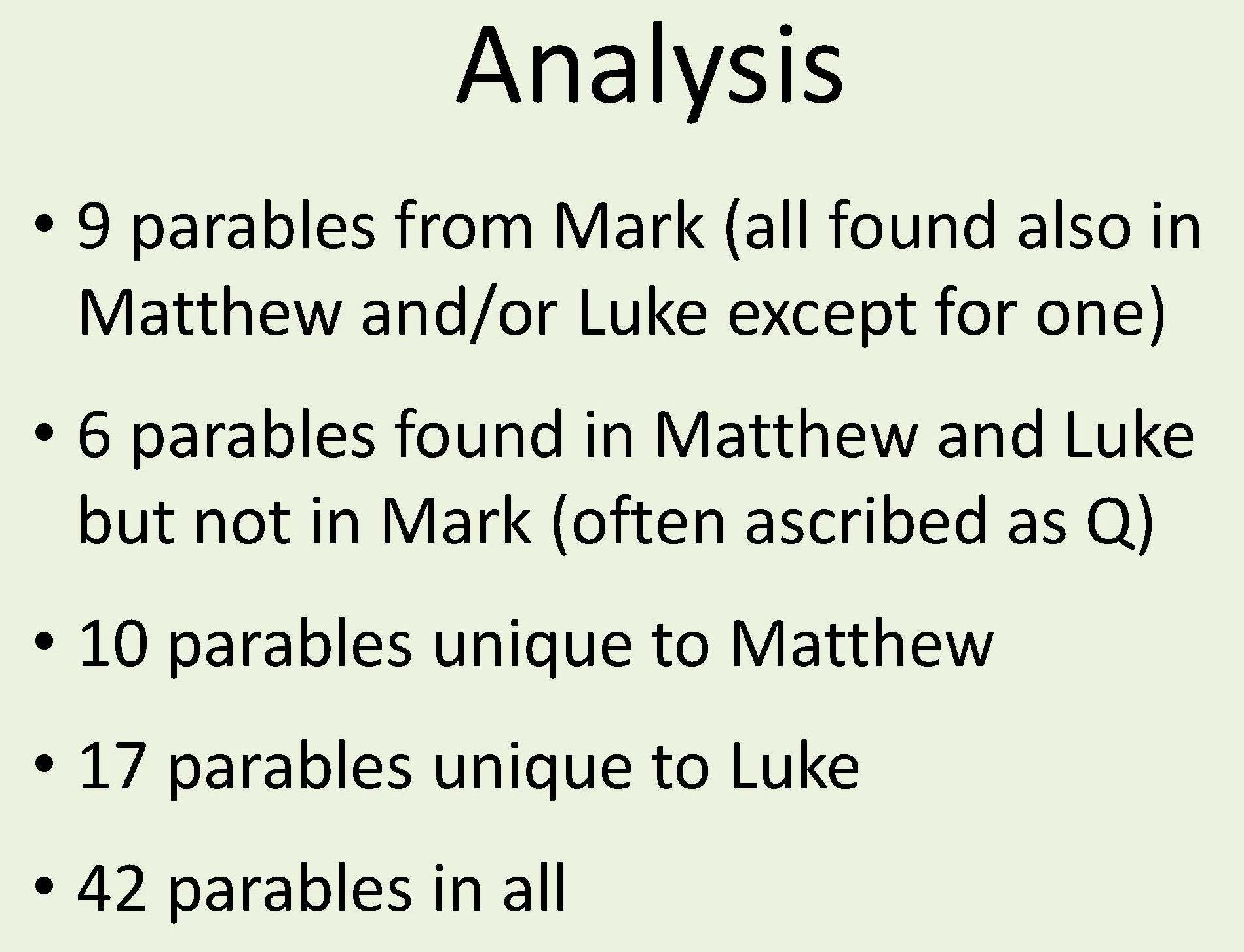
| O | Parables | ||||||||||||||||||||||||||||||||||||||||||||||||||||||||||||||||||||||||||||||||||||||||||||||||||||||||||||||||||||||||||||||||||||||||||||||||||||||||||||||||||||||||||
| P | Holy Spirit | ||||||||||||||||||||||||||||||||||||||||||||||||||||||||||||||||||||||||||||||||||||||||||||||||||||||||||||||||||||||||||||||||||||||||||||||||||||||||||||||||||||||||||
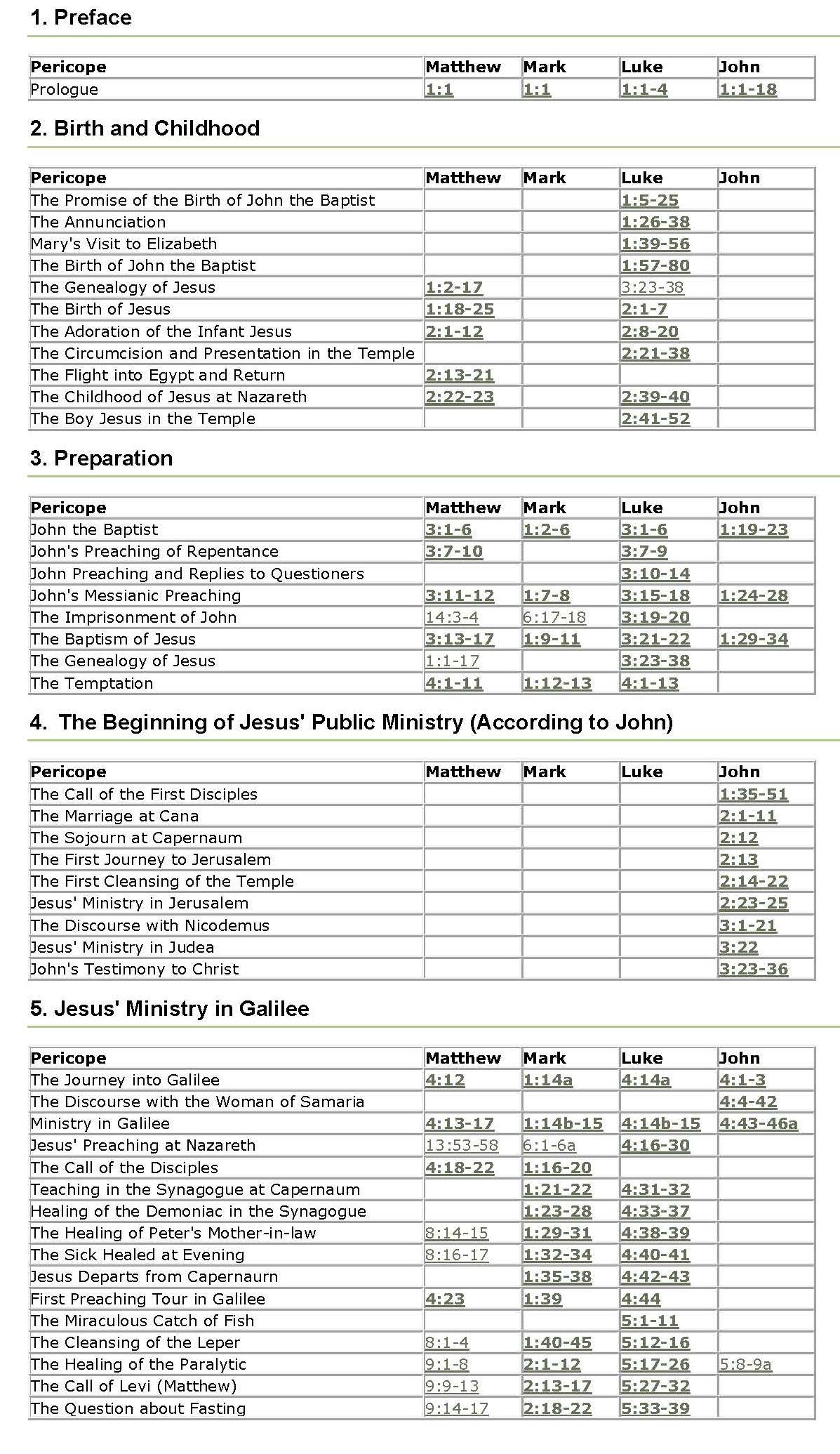
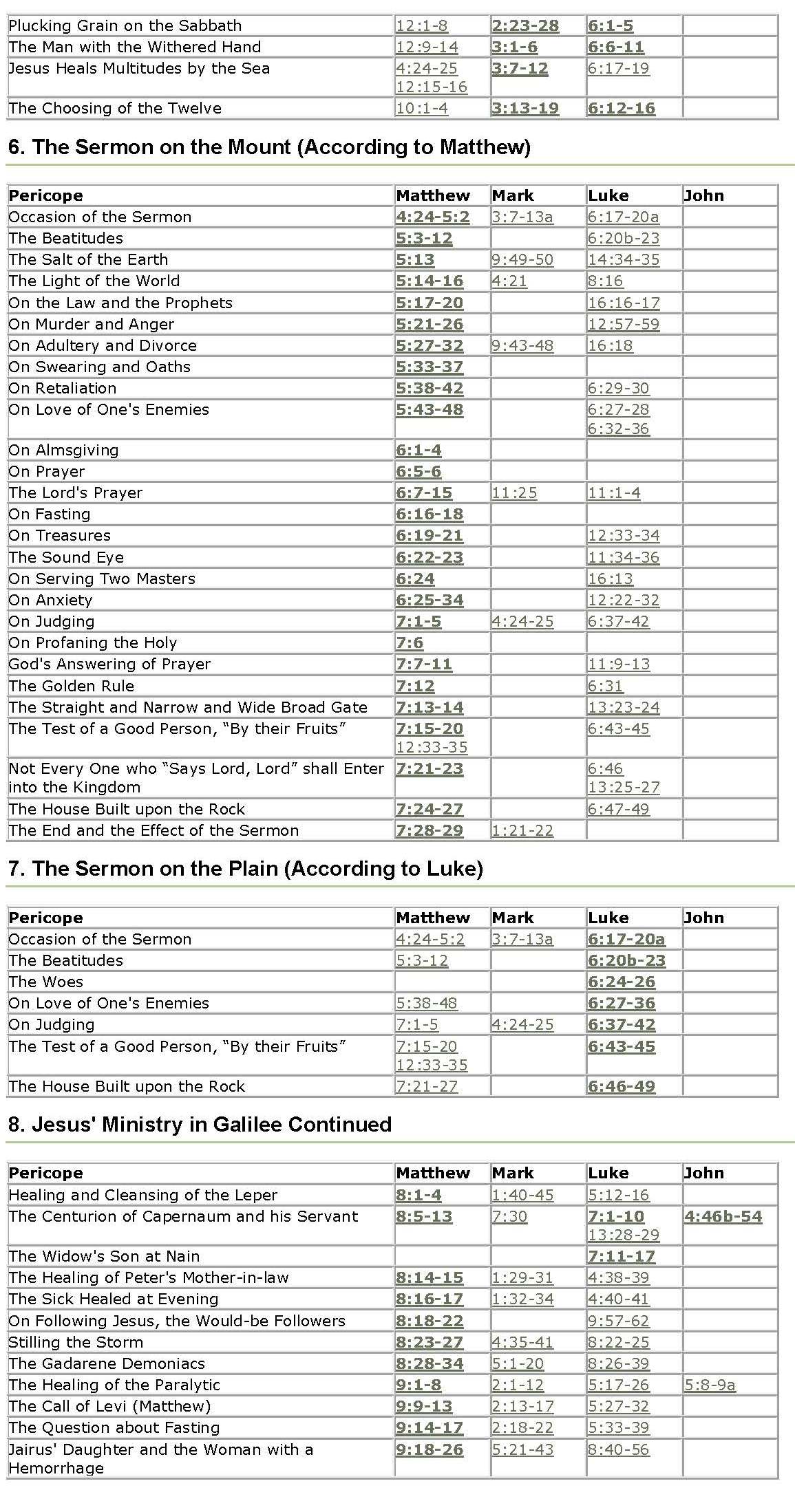
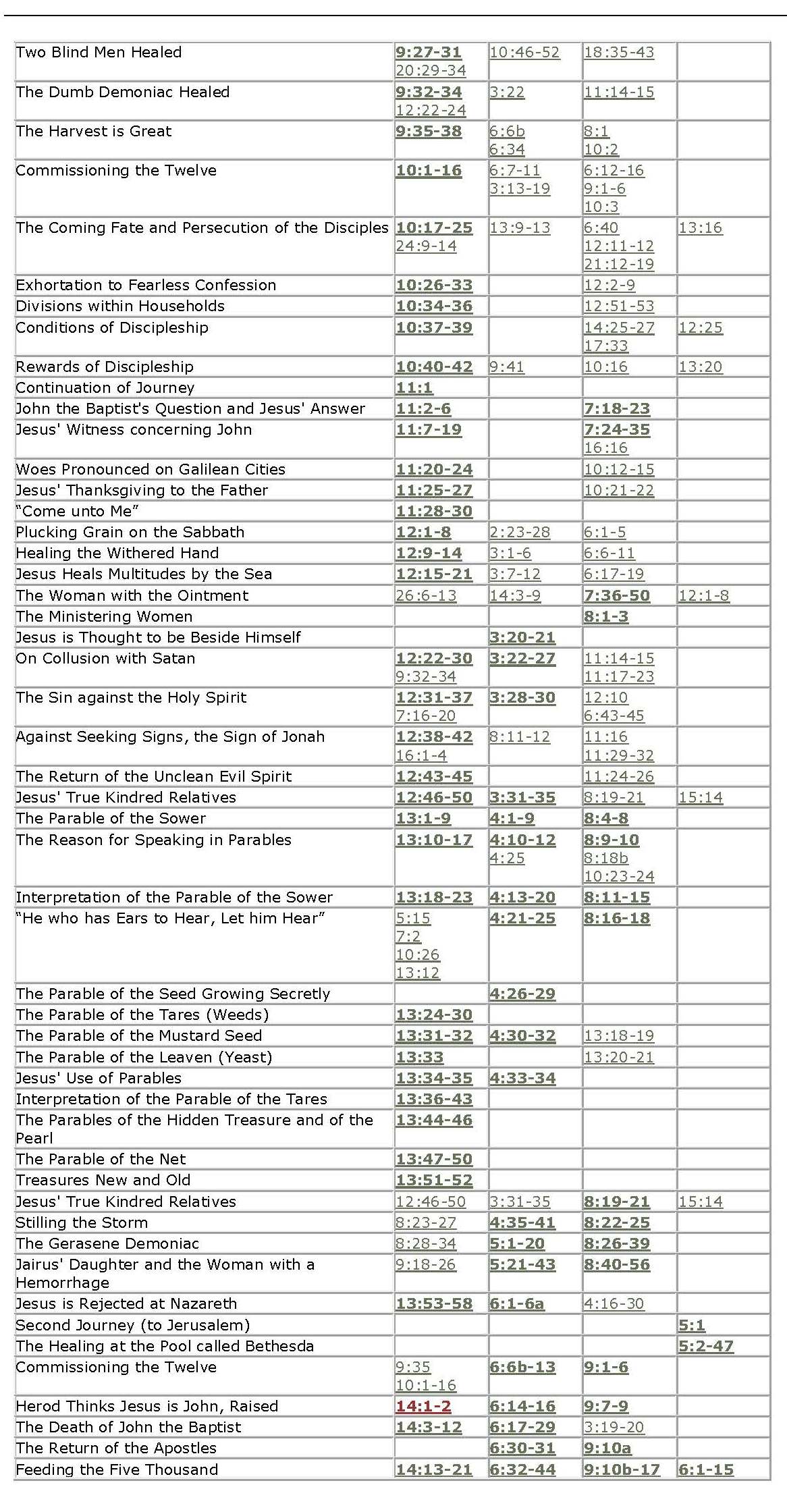
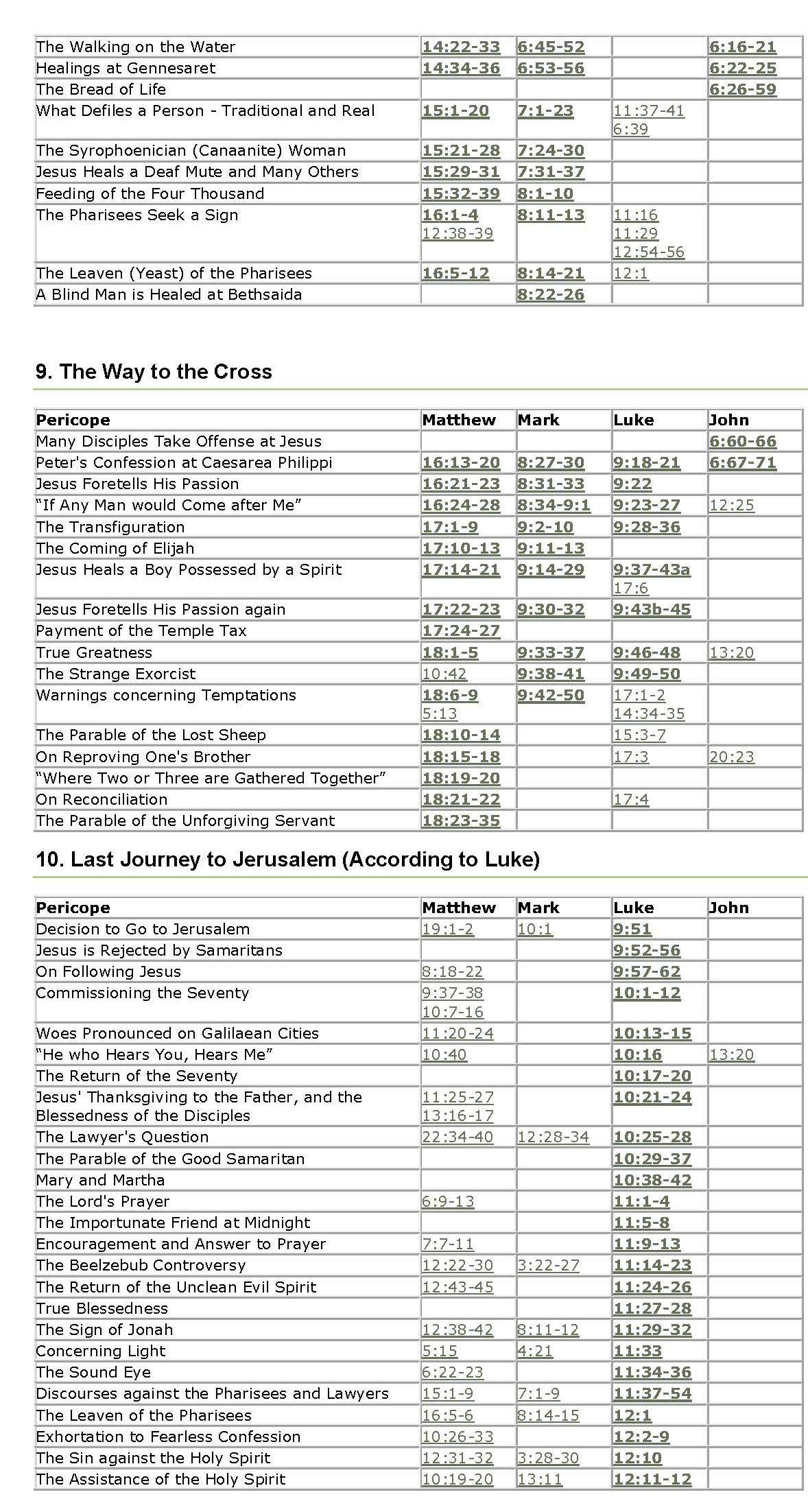
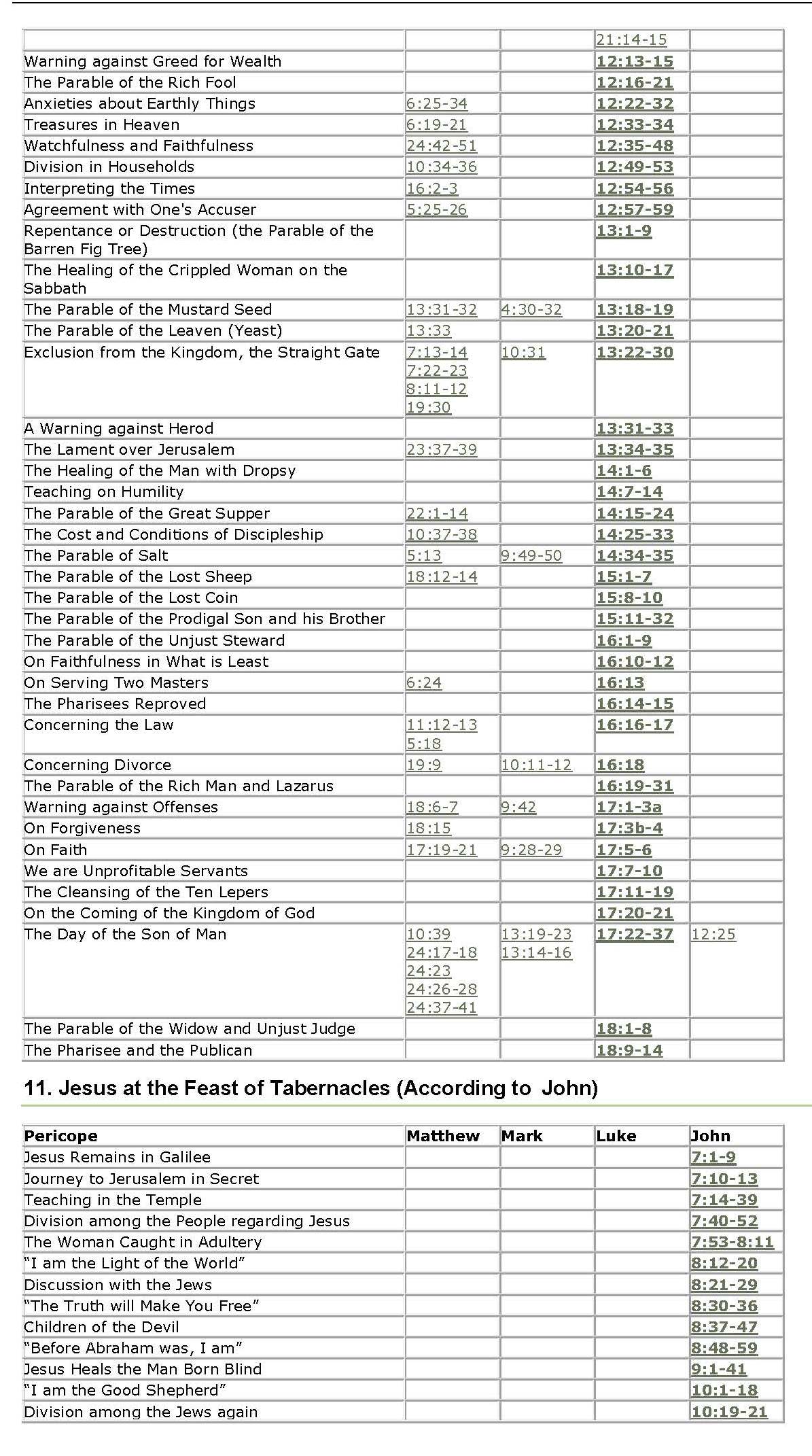
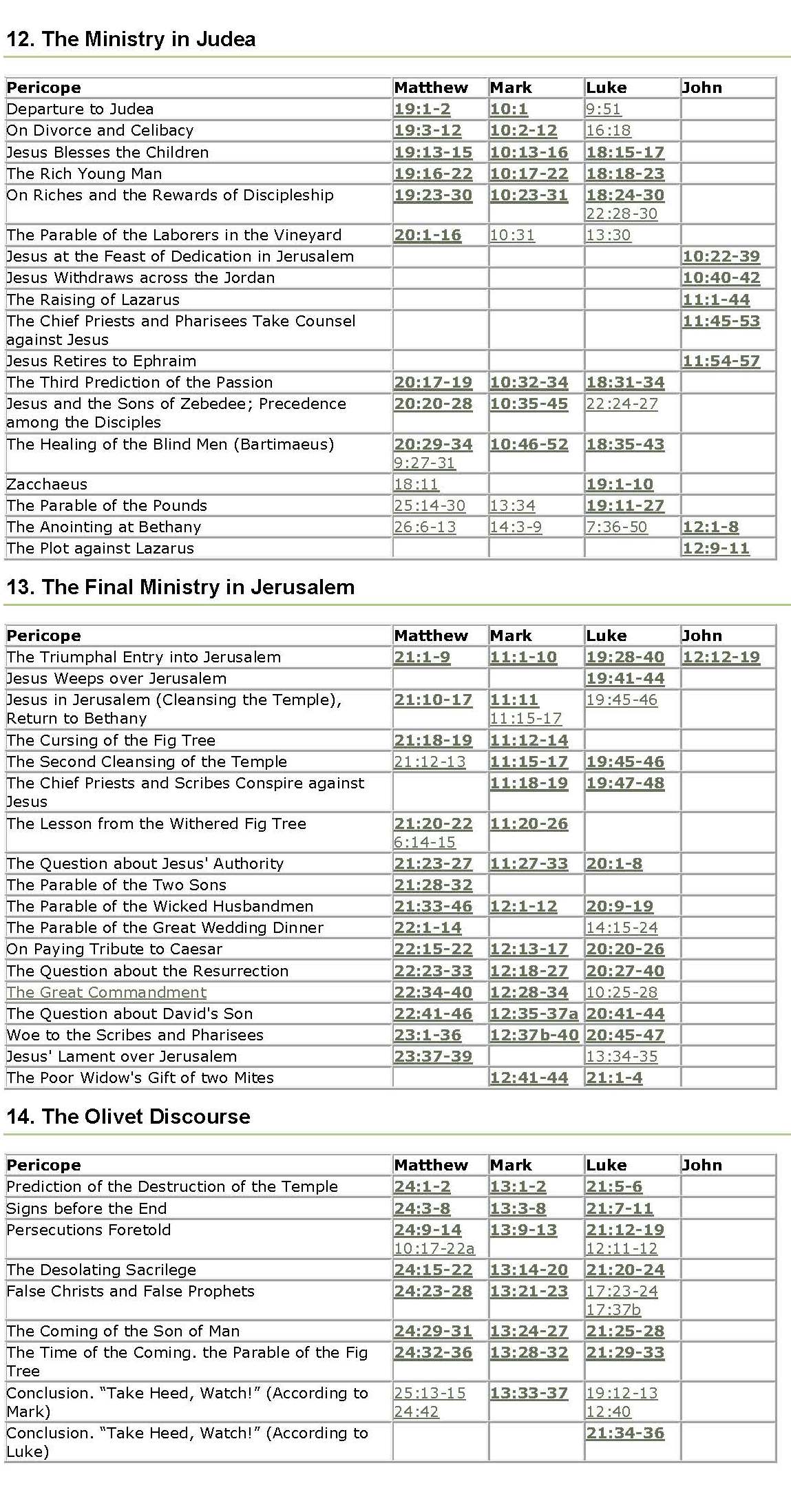
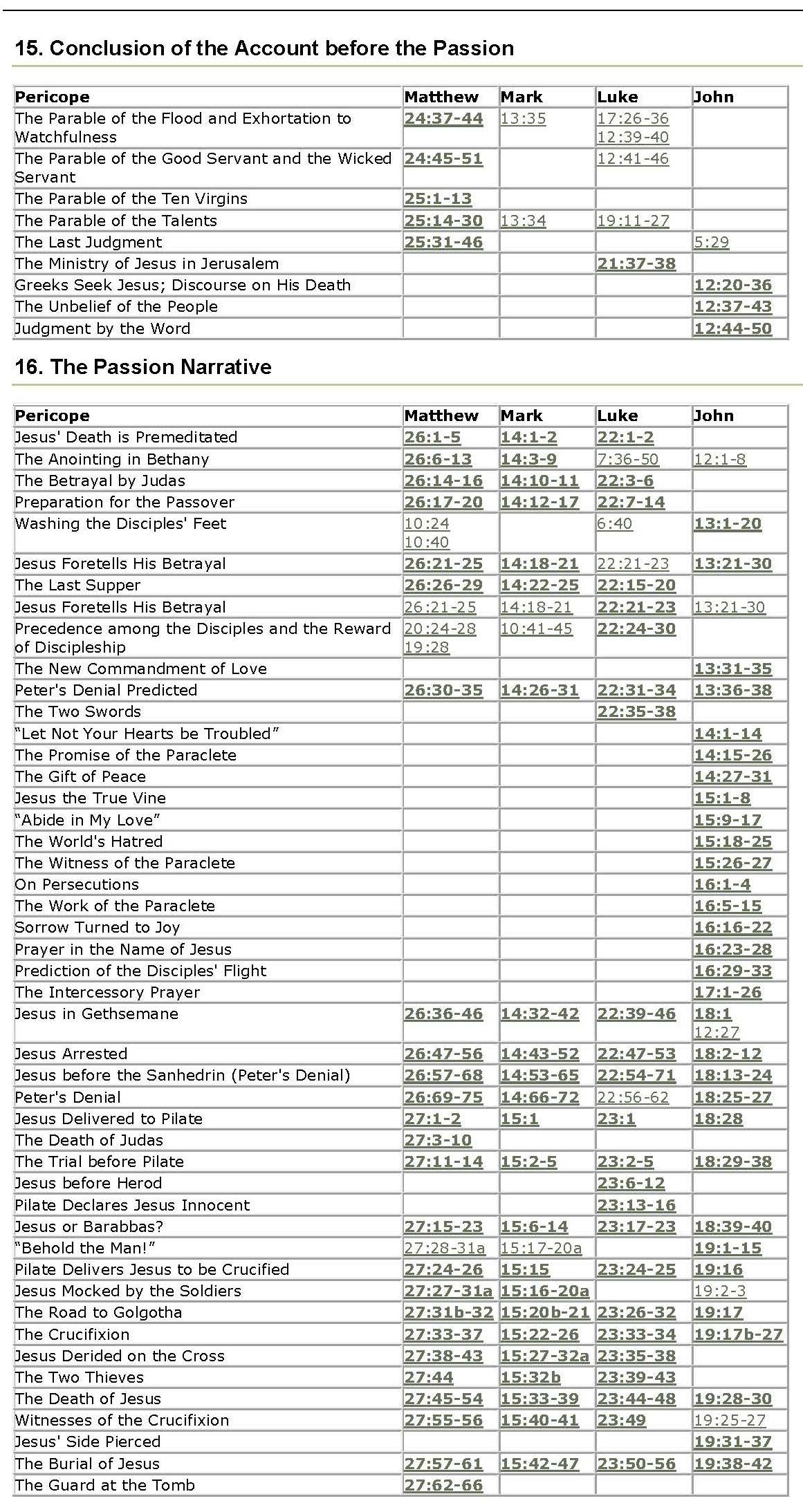
| Q | Gospel comparisons | ||||||||||||||||||||||||||||||||||||||||||||||||||||||||||||||||||||||||||||||||||||||||||||||||||||||||||||||||||||||||||||||||||||||||||||||||||||||||||||||||||||||||||
| R | THE GOLDEN RULE | ||||||||||||||||||||||||||||||||||||||||||||||||||||||||||||||||||||||||||||||||||||||||||||||||||||||||||||||||||||||||||||||||||||||||||||||||||||||||||||||||||||||||||
| S | |||||||||||||||||||||||||||||||||||||||||||||||||||||||||||||||||||||||||||||||||||||||||||||||||||||||||||||||||||||||||||||||||||||||||||||||||||||||||||||||||||||||||||
| T | |||||||||||||||||||||||||||||||||||||||||||||||||||||||||||||||||||||||||||||||||||||||||||||||||||||||||||||||||||||||||||||||||||||||||||||||||||||||||||||||||||||||||||
| U |
|
||||||||||||||||||||||||||||||||||||||||||||||||||||||||||||||||||||||||||||||||||||||||||||||||||||||||||||||||||||||||||||||||||||||||||||||||||||||||||||||||||||||||||
|
The historical setting — Roman occupation, Jewish religious tensions, social stratification, and the expectation of a political Messiah — makes Jesus’ emphasis on the poor, the lost, the outsider, and the power of the Spirit all the more radical and relevant for the missionary walk.
I've created a complete PowerPoint presentation for you. Here's a summary of what's included: ### **Presentation: The Gospel of Luke — 15 Verses for the Missionary Walk** ### **The 15 Selected Verses + Worship Songs** | # | Verse | Theme | Worship Song | |---|-------|-------|--------------| | 1 | **Luke 4:18-19** | The Mission of Jesus | *Spirit of the Living God* | | 2 | **Luke 5:10** | Fishers of People | *I Will Follow* — Chris Tomlin | | 3 | **Luke 9:1-2** | Sent with Authority | *Here I Am, Send Me* | | 4 | **Luke 9:23** | The Cost of Discipleship | *Christ Is Enough* — Hillsong | | 5 | **Luke 10:2** | The Harvest Is Plentiful | *The Harvest Is Ready* — Tommy Walker | | 6 | **Luke 10:27** | Love God & Neighbor | *Love the Lord* — Lincoln Brewster | | 7 | **Luke 14:23** | Compel Them to Come In | *Come As You Are* — Crowder | | 8 | **Luke 15:7** | Joy Over One Sinner | *Reckless Love* — Cory Asbury | | 9 | **Luke 19:10** | Seek & Save the Lost | *Mighty to Save* — Hillsong | | 10 | **Luke 24:46-47** | To All Nations | *Across the Lands* — Keith & Kristyn Getty | | 11 | **Luke 6:31** | The Golden Rule | *Build My Life* — Housefires | | 12 | **Luke 11:9** | Ask, Seek, Knock | *Way Maker* — Sinach | | 13 | **Luke 12:8** | Acknowledge Him Before Others | *This I Believe (The Creed)* Hillsong | | 14 | **Luke 18:27** | Nothing Is Impossible | *Do It Again* — Elevation Worship | | 15 | **Luke 24:49** | Clothed with Power | *Holy Spirit* — Bryan & Katie Torwalt | ### **Presentation Structure** 1. **Title slide** 2. **Introduction** – Why Luke is especially rich for missionaries 3. **15 verse slides** – each with: - Scripture reference & title - Full verse text - Short application for the missionary walk - Matching worship song suggestion 4. **Closing commission** (Luke 24:48-49) 5. **Song list overview** for easy reference The design uses a warm cream and deep navy palette with gold accents — reverent and suitable for a Christian mission setting. You can download the file and open it in PowerPoint or Google Slides.
1 | **Luke 4:18-19** | The Mission of Jesus | *Spirit of the Living God* | 1 Luke 4:18-19 1. Luke 4:18-19 — Jesus’ Mission Statement in Nazareth 1. Luke 4:18-19 “The Spirit of the Lord is on me, because he has anointed me to proclaim good news to the poor. He has sent me to proclaim freedom for the prisoners and recovery of sight for the blind, to set the oppressed free, to proclaim the year of the Lord’s favor.” The Mission of Jesus Jesus returns to His hometown synagogue in Nazareth (early in His public ministry, ~AD 28). He reads from Isaiah 61:1-2 (written ~700 BC), a passage that originally spoke of release from Babylonian exile and the Year of Jubilee (Leviticus 25). By stopping before the “day of vengeance,” Jesus highlights the present age of grace. Declaring “today this Scripture is fulfilled” was a bold messianic claim. The synagogue audience initially marveled, then rejected Him when He pointed out God’s favor to Gentiles (the widow of Zarephath and Naaman the Syrian). This scene is programmatic for Luke: Jesus is the Spirit-anointed Servant who brings good news to the poor and marginalized. Song: Spirit of the Living God 1. Luke 4:18-19 Jesus begins His public ministry by declaring His mission. Missionaries are called to the same Spirit-anointed work: good news, freedom, healing, and favor.
| 2 | **Luke 5:10** | Fishers of People | *I Will Follow* — Chris Tomlin |
2 Luke 5:10 2. Luke 5:10 — Calling of the First Disciples 2. Luke 5:10 Then Jesus said to Simon, “Don’t be afraid; from now on you will fish for people.” Fishers of People Set on the Sea of Galilee (Lake of Gennesaret). Simon (Peter), James, and John were ordinary Jewish fishermen working under the economic pressures of Roman taxation and local fishing guilds. Jesus’ call “from now on you will fish for people” transforms their livelihood into a metaphor for mission. This occurs early in the Galilean ministry, before the full conflict with religious leaders intensifies. Song: I Will Follow — Chris Tomlin 2. Luke 5:10 The first call of discipleship is a call to mission. Ordinary fishermen become fishers of men. Our identity is now tied to gathering people into the Kingdom.
| 3 | **Luke 9:1-2** | Sent with Authority | *Here I Am, Send Me* |
3 Luke 9:1-2 3. Luke 9:1-2 — Sending of the Twelve 3. Luke 9:1-2 When Jesus had called the Twelve together, he gave them power and authority to drive out all demons and to cure diseases, and he sent them out to proclaim the kingdom of God and to heal the sick. Sent with Authority Jesus gives the Twelve power and authority and sends them out during the height of the Galilean ministry. This mirrors ancient Jewish patterns of sending messengers and anticipates the later apostolic mission in Acts. They travel light, dependent on hospitality — a practical necessity in first-century Palestine and a sign of trust in God’s provision. Song:Here I Am, Send Me 3. Luke 9:1-2 Mission is not merely words — it is Spirit-empowered proclamation and demonstration of the Kingdom. We go with His authority, not our own.
| 4 | **Luke 9:23** | The Cost of Discipleship | *Christ Is Enough* — Hillsong |
4 Luke 9:23 4. Luke 9:23 — Cost of Discipleship 4. Luke 9:23 Then he said to them all: “Whoever wants to be my disciple must deny themselves and take up their cross daily and follow me.” The Cost of Discipleship Spoken as Jesus begins the long journey toward Jerusalem (Luke 9:51 marks the turning point). “Take up his cross daily” would have been shocking: Roman crucifixion was a public, humiliating form of execution reserved for rebels and slaves. Jesus redefines messiahship and discipleship in terms of self-denial rather than political triumph. Song: Christ Is Enough — Hillsong 4. Luke 9:23 Missionary life requires daily dying to self. The cross is not occasional; it is the daily posture of those who follow Jesus into the world.
| 5 | **Luke 10:2** | The Harvest Is Plentiful | *The Harvest Is Ready* — Tommy Walker |
5 Luke 10:2 5. Luke 10:2 — The Harvest Is Plentiful 5. Luke 10:2 He told them, “The harvest is plentiful, but the workers are few. Ask the Lord of the harvest, therefore, to send out workers into his harvest field.” The Harvest Is Plentiful Part of the sending of the seventy-two (or seventy; manuscripts vary). The number likely alludes to the Table of Nations in Genesis 10 (70 or 72 nations in different textual traditions), signaling a universal mission. Jesus is preparing the way for His own visits as He travels toward Jerusalem. The “harvest” imagery was common in Jewish apocalyptic thought for the end-time ingathering of God’s people. Song: The Harvest Is Ready — Tommy Walker 5. Luke 10:2 The first missionary response is prayer. We ask the Lord of the harvest to raise up and send laborers. Then we ourselves go.
| 6 | **Luke 10:27** | Love God & Neighbor | *Love the Lord* — Lincoln Brewster |
6 Luke 10:27 6. Luke 10:27 — Love God and Neighbor 6. Luke 10:27 He answered, “‘Love the Lord your God with all your heart and with all your soul and with all your strength and with all your mind’; and, ‘Love your neighbor as yourself.’” Love God & Neighbor Spoken by a lawyer testing Jesus. The quotation combines Deuteronomy 6:5 (the Shema) and Leviticus 19:18. In first-century Judaism these were already recognized as summary commandments. Jesus then tells the Parable of the Good Samaritan, deliberately choosing a Samaritan (despised by Jews as religious and ethnic half-breeds) as the model of neighbor-love. This challenges ethnic and religious boundaries in a deeply divided society. Song: Love the Lord — Lincoln Brewster 6. Luke 10:27 Mission flows from love — first for God, then for people. The Good Samaritan story that follows shows that “neighbor” includes the outsider and the enemy.
| 7 | **Luke 14:23** | Compel Them to Come In | *Come As You Are* — Crowder |
7 Luke 14:23 7. Luke 14:23 — Compel Them to Come In 7. Luke 14:23 Then the master told his servant, “Go out to the roads and country lanes and compel them to come in, so that my house will be full.” Compel Them to Come In From the Parable of the Great Banquet, told while Jesus is dining at a Pharisee’s house. Banquets were important social events that reinforced status and honor. Jesus’ story subverts that system: the invited elite refuse, so the poor, crippled, blind, and lame — and later those from the “roads and country lanes” — are brought in. This reflects Luke’s consistent concern for the socially marginalized under Roman and Jewish social hierarchies. Song:Come As You Are — Crowder 7. Luke 14:23 The banquet of the Kingdom is for the least, the last, and the lost. We are sent to the margins with urgent invitation — not force, but compelling love.
| 8 | **Luke 15:7** | Joy Over One Sinner | *Reckless Love* — Cory Asbury |
8 Luke 15:7 8. Luke 15:7 — Joy Over One Sinner Who Repents 8. Luke 15:7 I tell you that in the same way there will be more rejoicing in heaven over one sinner who repents than over ninety-nine righteous persons who do not need to repent. Joy Over One Sinner Part of three parables (lost sheep, lost coin, lost son) told in response to Pharisees and scribes criticizing Jesus for eating with tax collectors and “sinners.” Tax collectors were seen as collaborators with Rome and ritually unclean. The repeated theme of heaven’s joy over one repentant sinner stands in deliberate contrast to the religious leaders’ grumbling. Reckless Love — Cory Asbury 8. Luke 15:7 Heaven celebrates every single person who turns to Christ. Missionaries carry this joy — the value of one soul is infinite.
| 9 | **Luke 19:10** | Seek & Save the Lost | *Mighty to Save* — Hillsong |
9 Luke 19:10 9. Luke 19:10 — Seek and Save the Lost 9. Luke 19:10 For the Son of Man came to seek and to save the lost. Seek & Save the Lost Climax of the Zacchaeus story in Jericho, just before Jesus’ final entry into Jerusalem. Zacchaeus was a chief tax collector — wealthy, despised, and considered a traitor. Jesus’ declaration that “the Son of Man came to seek and to save the lost” summarizes His entire mission and echoes Ezekiel’s language of God seeking His scattered sheep. Song: Mighty to Save — Hillsong 9. Luke 19:10 This is the heart of Jesus’ mission and therefore ours. We do not wait for the lost to find us; we go seeking them, just as He sought Zacchaeus.
| 10 | **Luke 24:46-47** | To All Nations | *Across the Lands* — Keith & Kristyn Getty |
10 Luke 24:46-47 10. Luke 24:46-47 — Repentance and Forgiveness to All Nations 10. Luke 24:46-47 He told them, “This is what is written: The Messiah will suffer and rise from the dead on the third day, and repentance for the forgiveness of sins will be preached in his name to all nations, beginning at Jerusalem.” To All Nations Post-resurrection appearance in Jerusalem (or on the road to Emmaus and then with the gathered disciples). Jesus opens the Scriptures and commissions the disciples. The phrase “to all nations, beginning from Jerusalem” is Luke’s version of the Great Commission. It sets the stage for the Book of Acts, which traces the gospel from Jerusalem to Rome. Song: Across the Lands — Keith & Kristyn Getty 10. Luke 24:46-47 The risen Christ defines the missionary message: His death, His resurrection, repentance, and forgiveness — for every nation. This is the Great Commission in Luke.
11 | **Luke 6:31** | The Golden Rule | *Build My Life* — Housefires |
11 Luke 6:31 11. Luke 6:31 — The Golden Rule 11. Luke 6:31 Do to others as you would have them do to you. The Golden Rule Part of the Sermon on the Plain (Luke’s parallel to Matthew’s Sermon on the Mount). Delivered to a mixed crowd of disciples and people from Judea, Jerusalem, and the coastal regions of Tyre and Sidon. In a honor-shame culture dominated by reciprocity and status, Jesus calls for radical, proactive love that does not wait for others to act first. Song: Build My Life — Housefires 11. Luke 6:31 In cross-cultural mission, this simple command guides how we treat people of every background. Empathy and respect open doors for the gospel. ++++++ Luke 6:31 11. Luke 6:31 — The Golden Rule 11. Luke 6:31 Do to others as you would have them do to you. PRINCIPLE OF DOUBLE MENTION This is Golden Rule was Part of the Sermon on the Plain. Delivered to a mixed crowd of disciples and people from Judea, Jerusalem, and the coastal regions of Tyre and Sidon. This Golden Rule parallel what was expressed in the Sermon on the Mount. It is kind of a double mention.
Matthew 7:12
(Sermon on the Mount): The principle “do to others what you would have them do to you” (the Golden Rule) appears most directly in the teachings of Jesus. In a honor-shame culture dominated by reciprocity and status, you favor me and I favor you…etc Jesus calls for radical, proactive love that does not wait for others to act first. THE SECOND GREATEST COMMANDMENT IN NT Jesus’ summary of the greatest commandments (found in all three Synoptic Gospels):
Jesus quotes it repeatedly as the second great commandment. We also see Paul and James restate the same idea:
FULFILLS THE LAW OF THE OT Jesus says the whole Law and the Prophets hang on these two commands. We can also say that this positive teaching and active standard that summarizes the ethical teaching of the entire Old Testament. For example in the OT, there are closely related Commands
LOVING ONE’S NEIGBOURS The Golden Rule is closely related to loving one’s neighbour as yourself. In short, the clearest positive statements are in Matthew 7:12 and Luke 6:31. The broader biblical foundation is the command to love your neighbor as yourself (Leviticus 19:18 and repeated throughout the New Testament), and the Good Samaritan is the main parable that shows what this looks like in practice. Together they call for active, selfless treatment of others—friends, strangers, and even enemies—in the same way we would want to be treated.
Parable That Illustrates the Principle
Loving Others / “Neighbor” Themes in the Letter While the exact phrase “love your neighbor” is not used, Paul repeatedly applies love in ways that fulfill the neighbor-love command:
In short, 1 Corinthians teaches that love is the indispensable foundation and the highest priority for Christian life and community. Without it, even the most gifted or sacrificial actions are empty. The description in chapter 13 shows what that love looks like in practice—patient, kind, selfless, truthful, and enduring—and we should practice these qualities. Agape (ἀγάπη) — Unconditional / Divine / Self-Giving Love This is the highest and distinctively Christian form of love: deliberate, selfless, sacrificial goodwill that seeks the highest good of the other regardless of merit, reciprocity, or feelings. It is the love God has for humanity (John 3:16; Romans 5:8) and the love Christians are commanded to practice (John 13:34–35; 1 Corinthians 13). It is primarily an act of the will, not merely emotion.
LOVING OUR ENEMIES Expand the Idea- those who hate or mistreat you- forgive -seek good of others
TREATING OTHERS- SEEK FORGIVENESS AND SHOW MERCY The Parable of the Unforgiving Servant (also called the Unmerciful or Wicked Servant) is found in Matthew 18:21–35. The Setting and Story Peter asks Jesus: “Lord, how many times shall I forgive my brother or sister who sins against me? Up to seven times?” (a number that already seemed generous). Jesus replies that it should be far more—“not seven times, but seventy-seven times” (or “seventy times seven” in some translations). The point is that forgiveness should be unlimited. Jesus then tells this parable to illustrate: A king settles accounts with his servants. One servant owes an enormous debt—ten thousand talents (an impossibly large sum, roughly equivalent to millions or even billions in today’s money; far beyond what anyone could repay in a lifetime). The king orders the man, his wife, children, and all he owns to be sold to repay the debt. The servant falls on his knees and begs for patience, promising to pay everything back. Out of compassion, the king cancels the entire debt and lets him go free. That same servant then finds a fellow servant who owes him only a hundred denarii (a relatively small amount—about a few months’ wages). He grabs the man, chokes him, and demands payment. When the fellow servant begs for patience, the first servant refuses and has him thrown into prison until the debt is paid. Other servants see this and report it to the king. The king summons the unforgiving servant, rebukes him as “wicked,” and says: “I canceled all that debt of yours because you begged me to. Shouldn’t you have had mercy on your fellow servant just as I had on you?”. In anger, the king hands him over to the jailers to be tortured until he can repay the original debt. Jesus concludes: “This is how my heavenly Father will treat each of you unless you forgive your brother or sister from your heart.” Key Lessons for Us
In short, the parable teaches that those who have received God’s great mercy are called to extend the same mercy to others. Forgiveness is both a response to what God has done for us and a requirement for living in His kingdom AND FULFILL Luke 6:31 Do to others as you would have them do to you.
12 | **Luke 11:9** | Ask, Seek, Knock | *Way Maker* — Sinach |
12 Luke 11:9 12. Luke 11:9 — Ask, Seek, Knock 12. Luke 11:9 So I say to you: Ask and it will be given to you; seek and you will find; knock and the door will be opened to you. Ask, Seek, Knock Teaching on prayer, given after the disciples ask Jesus to teach them to pray (leading to the Lord’s Prayer). In the ancient world, persistence in petitioning a patron or ruler was common. Jesus uses everyday images to assure His followers of the Father’s readiness to give the Holy Spirit. Song: Way Maker — Sinach 12. Luke 11:9 Missionaries live by persistent prayer. Doors open, provision comes, and guidance is given when we keep asking, seeking, and knocking.
| 13 | **Luke 12:8** | Acknowledge Him Before Others | *This I Believe (The Creed)* Hillsong | 13 Luke 12:8 13. Luke 12:8 — Acknowledging Jesus Before Others 13. Luke 12:8 I tell you, whoever publicly acknowledges me before others, the Son of Man will also acknowledge before the angels of God. Acknowledge Him Before Others Spoken in the context of warnings about hypocrisy and coming persecution. Public acknowledgment of Jesus carried real risk under both Jewish religious authorities and Roman power. The promise of acknowledgment “before the angels of God” points to the heavenly court and final judgment. Song: This I Believe (The Creed) — Hillsong 13. Luke 12:8 Bold, public witness is part of the missionary calling. We are not ashamed of the gospel. Jesus Himself will acknowledge those who acknowledge Him.
| 14 | **Luke 18:27** | Nothing Is Impossible | *Do It Again* — Elevation Worship |
14 Luke 18:27 14. Luke 18:27 — What Is Impossible with Man 14. Luke 18:27 Jesus replied, “What is impossible with man is possible with God.” Nothing Is Impossible Spoken after the rich ruler walks away sorrowful. In a culture where wealth was often viewed as a sign of God’s blessing, Jesus’ statement that the rich enter the kingdom only with difficulty was shocking. The disciples’ question (“Who then can be saved?”) reflects the prevailing assumption. Jesus’ reply grounds salvation entirely in God’s power. Song: Do It Again — Elevation Worship 14. Luke 18:27 Every hard place, closed culture, and impossible situation is possible with God. Faith fuels missionary perseverance.
| 15 | **Luke 24:49** | Clothed with Power | *Holy Spirit* — Bryan & Katie Torwalt
15 Luke 24:49 15. Luke 24:49 — Clothed with Power from on High 15. Luke 24:49 I am going to send you what my Father has promised; but stay in the city until you have been clothed with power from on high. Clothed with Power The final post-resurrection instruction before the ascension. “Power from on high” refers to the Holy Spirit, promised in the Old Testament (Joel 2; Isaiah 32; Ezekiel 36) and about to be poured out at Pentecost (Acts 2). The disciples are told to wait in Jerusalem — the same city where Jesus was rejected and crucified — until they receive the Spirit who will empower the worldwide mission. Song:Holy Spirit — Bryan & Katie Torwalt 15. Luke 24:49 We do not go in our own strength. The Holy Spirit is the indispensable power for mission. Wait on Him, then go in His power.
B THIS TIME TOMORROW Learn a new term - This time tomorrow - Pretending to look busy after finishing your work is often referred to as “productivity theatre”. Another one from Benny Bong -This time tomorrow -" Meeting expectations” was replaced by “exceeding expectations”. We were told that hard work just does not “cut the mustard”; we had to work smart. Working smart includes not just being more productive but also having greater visibility in our work. So This Time Tomorrow -TTT - we have to move from wayang- to work smart - to really work with diligence for the Lord. True Life is hard to meet others expectation- so we set our own standards ie which is normally higher than others expectation - so even if we fail - will not be blame so badly
C Bible No single person “put together” the
Bible. It was a gradual process involving many people over centuries, guided
by the early Christian communities and church leaders. The Bible is a
collection of books written by dozens of authors over ~1,500 years, later
recognized as inspired Scripture.
D Rapture-Tribulation The rapture (from the Latin rapturo, reflecting the Greek harpazo “caught up” in 1 Thessalonians 4:17) refers to the event in which living and deceased believers in Christ are transformed and gathered to meet the Lord. All major views agree on the core event described in 1 Thessalonians 4:13–18 and 1 Corinthians 15:51–52, but they differ on its timing relative to the future tribulation period (often linked to Daniel’s 70th week of seven years in Daniel 9:24–27 and the judgments in Revelation 6–19). These views are held primarily within premillennial frameworks (Christ returns before a literal millennial kingdom). Dispensational premillennialism (which distinguishes Israel and the Church as distinct peoples in God’s plan, with the Church age as a “parenthesis”) has historically favored a pre-tribulation rapture, ( as in chart above) though not all dispensationalists hold it rigidly, and other systems (historic premillennialism, etc.) often lean post-trib. Scripture does not state an explicit “pre-,” “mid-,” or “post-trib” label; the positions rely on inference from passages about imminence, wrath, the Day of the Lord, the “last trumpet,” gathering of the elect, and the distinction (or unity) between the rapture and the visible second coming. Below is a neutral overview of the main arguments and key texts cited by each side. Pre-Tribulation Rapture The Church is removed before the seven-year tribulation begins. Christ comes “for” His saints (rapture), then later “with” them at the end of the tribulation (second coming). This is the most common view in classic dispensationalism. Key supporting arguments and scriptures often cited:
Critics note that “wrath” may not equal the entire tribulation, that imminence language appears in other contexts, and that explicit “before the tribulation” wording is absent.
Mid-Tribulation (or Mid-Seventieth-Week) Rapture The Church experiences the first 3½ years (often seen as lesser tribulation or “beginning of sorrows”), then is raptured at the midpoint—around the abomination of desolation—before the “great tribulation” / intensified wrath of the second half. Key supporting arguments and scriptures often cited:
This view is less common today; many of its emphases have been absorbed into the related pre-wrath position (rapture after the midpoint but before the final bowl judgments of God’s wrath, often linked to the cosmic signs in Matthew 24:29 and Revelation 6–7). Critics argue the “last trumpet” identification is forced and that it undermines pure imminence. Post-Tribulation Rapture The rapture and the visible second coming are essentially one event at the end of the tribulation. Believers endure the tribulation (under divine protection) and are gathered as Christ returns. Key supporting arguments and scriptures often cited:
Critics argue this removes imminence, conflates distinct events (meeting in the air vs. coming to earth), leaves insufficient time for certain judgments or the wedding, and equates Church-age tribulation with the unique future “great tribulation.” Relation to Dispensational Timeline In classic dispensationalism the Church age is distinct from God’s program with national Israel. The rapture ends the Church age, allowing Daniel’s 70th week (focused on Israel and the nations) to resume, followed by the second coming, Millennium (fulfillment of land/kingdom promises to Israel), and eternal state. Pre-tribulation timing fits this most cleanly by removing the Church before the tribulation judgments that primarily concern Israel and the world. Mid- and post-trib views can still be held within broader premillennial frameworks (including some modified dispensational or historic premillennial approaches), but they blur the Israel–Church distinction more and treat the tribulation as involving the Church. There is no single “best” view that all serious students of Scripture accept. Pre-trib is the majority position among dispensationalists and has strong popular influence (e.g., via Scofield, Walvoord, and modern prophecy literature). Post-trib has deeper roots in earlier church history and is favored by many historic premillennialists and some non-dispensational scholars. Mid-trib/pre-wrath occupy a minority middle ground. Each side can marshal coherent readings of the same key texts (especially 1 Thessalonians 4–5, Matthew 24, Revelation 3:10, and the trumpets). The differences turn largely on hermeneutical decisions: how strictly to separate Israel and the Church, whether “wrath” = the entire tribulation, whether the return is one event or two, and how to weight imminence language. For further study, compare the primary passages side-by-side (1 Thessalonians 4–5; 1 Corinthians 15; John 14; Matthew 24; 2 Thessalonians 1–2; Revelation 3, 6–19; Daniel 9), read representative treatments from each camp (e.g., Walvoord or Feinberg for pre-trib; Archer for mid; Ladd, Gundry, or Moo for post-trib), and note that godly, careful interpreters reach different conclusions. The shared hope remains the same: “we will always be with the Lord” (1 Thessalonians 4:17). ++++++++++++++ Yes. Here is a clear comparison chart of the main rapture timing views (pre-trib, mid-trib/pre-wrath, and post-trib). It focuses on key distinguishing points and the primary scriptures each side typically emphasizes. (Note: all three views accept the core rapture texts of 1 Thessalonians 4:13–18 and 1 Corinthians 15:51–52; the debate is about when relative to the tribulation.)
Quick Notes on the Chart
You can copy the table into a document or study notes. If you would like a simplified version (only pre- vs. post-trib), extra rows (e.g., views on the restrainer, Bema seat timing, or population of the Millennium), or the same chart expanded with more verses, just let me know. The keys to understanding the pre-tribulation versus post-tribulation rapture debate are primarily hermeneutical and theological decisions about: 1. how to read prophecy, the relationship between Israel and the Church, 2. the meaning of key terms (wrath, tribulation, Day of the Lord, imminence), and 3. whether Christ’s return is one event or two stages. Scripture never uses the modern labels “pre-trib” or “post-trib”; the positions arise from connecting passages such as 1 Thessalonians 4:13–18, 1 Corinthians 15:51–52, John 14:1–3, Matthew 24, 2 Thessalonians 1–2, Revelation 3:10 and chapters 6–19, and Daniel 9. Core Keys That Shape the Views
These keys interact. A strong Israel–Church distinction + high view of imminence + broad equation of tribulation with wrath naturally favors pre-trib. A unified people of God + sequential reading of Matthew 24 / 2 Thessalonians + protection-through-tribulation favors post-trib. Biblical Views from Church Leaders and Historical Development
Early Church (1st–3rd
centuries)
Rise of Systematic Pre-Tribulationism
(19th century onward)
Pre-trib became the majority view in much of American evangelicalism and fundamentalism tied to dispensational institutions.
Post-Tribulation
Defenders (Historic Premillennialism and others) Robert H. Gundry (The Church and the Tribulation, 1973; later First the Antichrist) offered a detailed exegetical defense of post-tribulationism. He argued that direct statements place the return and first resurrection after the tribulation, that pre-trib rests on insufficient evidence and non sequitur reasoning, that the Church is present through the period, and that “expectancy” rather than strict any-moment imminence better fits the texts. Gundry worked within a framework that still distinguished Israel and the Church in some ways but placed the rapture at the end. Other post-trib voices include various historic premillennialists who emphasize continuity with earlier Christian expectation of endurance. Practical Guidance for Study
If you would like a deeper dive into any single key passage, a comparison of how Walvoord and Ladd specifically handle the same texts, recommended reading from each side, or expansion on mid-trib/pre-wrath as a mediating position, let me know. Margaret Seaward In her teaching on the Book of Revelation and related topics, she explicitly states that she believes in the pre-tribulation rapture. She describes the rapture as the catching away of the Bride of Christ to meet the Lord in the air before the Great Tribulation begins. She contrasts this with mid-trib and post-trib positions and affirms that she is praying and hoping to be counted worthy to go up in the pre-tribulation catching away. She notes that Scripture contains language some interpret as mid- or post-trib events, but she personally holds and teaches the pre-trib view for the Church. Dr. Paul Lee Tan (and associated teaching) Dr. Paul Lee Tan (Dallas Theological Seminary Th.M., Grace Theological Seminary Th.D.), a longtime Bible prophecy teacher, pastor, and founder of related ministries in the Philippines and beyond, taught and defended the pre-tribulation rapture. His lectures and materials (including verse-by-verse studies on Revelation and special prophecy topics, continued and co-taught with his daughter Dr. Christine J. Tan) present the standard dispensational arguments for a pre-trib timing:
In short:
Both align with the classic dispensational pre-trib position rather than mid- or post-tribulation views. POST TRIBULATION VIEWS Post-tribulation rapture holds that the rapture (the catching up of living and deceased believers to meet Christ) occurs at the end of the tribulation period, essentially as one event with the visible second coming of Christ. Believers go through the tribulation (under God’s protection) and are gathered as Christ returns in power and glory. How the Post-Tribulation View Is Supported Supporters build their case primarily from sequential and unified language in Scripture rather than a two-stage return. Key arguments include:
These points emphasize a straightforward reading of sequential texts and a single return of Christ, while rejecting a sharp, secret pre-tribulation evacuation of the Church. Who Supports the Post-Tribulation View
Early Church Modern and Recent Proponents (mainly within historic premillennialism)
Post-tribulationism is less common in classic dispensational circles (which strongly favor pre-trib) but remains a coherent minority position among premillennialists who prioritize the chronological flow of the Olivet Discourse and a unified second coming. It is distinct from amillennial or postmillennial frameworks, which typically do not emphasize a future seven-year tribulation in the same way. The position rests on interpreting the same core texts (Matthew 24, 1 Thessalonians 4–5, 2 Thessalonians 1–2, 1 Corinthians 15, Revelation) with different assumptions about sequence, the identity of the “elect,” and whether the return is one event or two. As with the other views, careful interpreters who affirm Scripture’s authority reach different conclusions. If you would like a side-by-side comparison of how post-tribulationists handle specific verses versus pre-tribulationists, recommended primary books (Ladd, Gundry), or expansion on any argument, let me know.
E SHREW MANAGER
what
is the true lesson for us from the parable of the shrewd manager
F The Holocaust
The
Holocaust: A Presentation on Suffering and Memory
G Ascension and Pentacost
The
book of Acts was written by Luke - how important is the ascension and
pentacost to the spread of christianity in the early church and what key
roles and specific situation by Peter and John contributed to this movement
H Post-resurrection appearances of Jesus
Yes.
The New Testament records multiple post-resurrection appearances of Jesus
over about 40 days (Acts 1:3), involving a range of early witnesses—from
individuals to large groups. These are drawn primarily from the Gospels,
Acts, and Paul’s early creed in 1 Corinthians 15:3–8. No one witnessed the
resurrection itself (the moment of rising), but many encountered the risen
Jesus.
I LIVING IN END TIMES https://www.methodist.org.sg/methodist-message/are-we-living-in-the-end-times/ Rightly dividing the Word? Prophetic misreading and the celebration of violence 17 April 2026 Photo by Birmingham Museums Trust on Unsplash America and Israel’s war with Iran has caused excitement among some evangelical Christians for all the wrong reasons. The conflict has led them to believe that biblical end-time prophecies are being fulfilled right before their eyes. John Hagee, founder of Christians United for Israel, described the war as part of God’s plan in a sermon on 1 March 2026, asserting that, “Prophetically, we’re right on cue.” Hagee ended his sermon with a prayer stating that, “God Almighty is brought into the battlefield and the enemies of Zion and the enemies of the United States can be destroyed before our eyes. Let God arise and let his enemies be scattered.” Echoing this sentiment at a briefing, an American combat unit commander reportedly added that President Donald Trump has been “anointed by Jesus to light the signal fire in Iran to cause Armageddon and mark his return to Earth.” The idea that this is not just another war, but the very fulfilment of Scripture, has captured the imagination of many evangelical Christians in America—not least those directly involved in the war. Ryan Zickgraf, a writer based in Pennsylvania, reports: Since the launch of Operation Epic Fury, the Military Religious Freedom Foundation (MRFF) has been inundated with dozens of similar complaints from service members across every branch of military. The reports describe ‘unrestricted euphoria’ among commanders who believe they are not just fighting a war, but fulfilling the Book of Revelation itself. The theology undergirding this view of the war in Iran and the Christian Zionism that accompanies it are shaped by a relatively new and novel approach to reading the Bible called Dispensationalism. This movement, with its distinctive interpretative framework, originated in England in the 19th century and very quickly spread to America and Canada. While Dispensationalism has diversified over time, with revised and progressive forms modifying some of its sharper doctrines, this article focuses on classical and popular versions, which have most visibly influenced Christian Zionism and apocalyptic speculations. It argues that classical and popular Dispensationalism is a doctrinal system that is constructed on an erroneous reading of the Bible and whose theological conclusions are inimical to those of orthodox Christianity. What is Dispensationalism? In 1827, John Nelson Darby (1800-1882), an Anglican priest who later joined the Plymouth Brethren, developed the view that God had two different purposes for his people. There is, on the one hand, the earthly purpose for Israel and, on the other, the heavenly purpose for the Church. Darby taught that Scripture presents different “administrations” or “dispensations”, during which God dealt with humanity in distinct ways with different modes of divine governance. In 1909, Cyrus Ingerson Scoffeld, a war veteran and pastor, published a study Bible —Scofield Reference Bible—whose interpretative matrix took fundamentalism by storm and became one of the bestselling Bibles in history. Drawing from Darby’s insights, Scofield developed the doctrine which states that there are seven recognisable dispensations, namely, Innocence – Adam Conscience – after the Fall Government – after the flood, human beings are allowed to eat meat, and the death penalty was instituted Promise – Abraham up to Moses, and the giving of the law Law – Moses to the cross Grace – the cross to the Millennial Kingdom Millennial Kingdom – a 1,000-year reign of Christ on earth centred in Jerusalem Charles C. Ryrie, arguably one of the most influential voices in 20th century American Dispensationalism, summarises this new theology thus: Dispensationalism views the world as a household run by God. In his household-world God is dispensing or administering its affairs according to his own will and in various stages of revelation in the passage of time. These various stages mark off his total purpose, and these different economies constitute the dispensations. The understanding of God’s differing economies is essential to a proper interpretation of his revelation within those various economies. Dispensationalists adopt a literalistic hermeneutic belief that the Bible must be taken at face value. In their view, this is especially crucial for understanding biblical prophecies concerning Israel and the end times. Dispensationalism also teaches that Christ will return and establish his reign on earth for a thousand years (premillennialism) during which God’s promises to Israel will be fulfilled. The Church will be raptured before Christ’s return and before the period of tribulation (lasting seven years), during which Israel will face trials and persecution. Theologians Stanley Grenz, David Guretzki and Cherith Fee Nordling have summarised the main teachings of Dispensationalism thus: God works within humans in distinct ways (dispensations) through history; that God has a distinct plan for Israel over against the church; that the Bible, especially predictive prophecy, needs to be interpreted literally; that the church will be secretly raptured from earth seven years prior to Christ’s second coming; that Christ will rule with Israel during a literal thousand-year earthly reign. Many of the doctrines of classical and popular Dispensationalism are a radical departure from orthodox or historic Christian teaching. For example, the sevenfold scheme presented by Dispensationalism is not the way in which the Church has understood the biblical narrative or salvation history. From the Church Fathers to the medieval theologians and Reformers, orthodox Christian theology has interpreted the Scripture narrative in broad categories such as Creation, Fall, Promise, Fulfilment and Consummation. Similarly, historic Christianity does not teach that Christ will come secretly for the Church. Neither does it present the peculiar idea that Christ will reign with Israel during the millennium in the absence of the Church. The Dispensationalist eschatology is thus a novel, idiosyncratic and distorting reading of the Bible. The Dispensationalist eschatology is thus a novel, idiosyncratic and distorting reading of the Bible. Israel and the Church Classical and popular Dispensationalists maintain a sharp distinction between the significance and destinies of Israel and the Church, which some writers have described as the two-fold theory of dispensationalism. This theory is based on the “consistently literal principles of interpretation” employed by Dispensationalists as they read the Scriptures, especially the prophecies concerning Israel. They argue that just as the prophecies about Christ’s birth, death and resurrection were literally fulfilled, so also must prophecies about Israel be literally fulfilled. Dispensationalists often criticise Reformed theology’s interpretation of the Old Testament (OT) prophecies because of its tendency to apply them to the New Testament Church instead of Israel. They reject what they regard as the “spiritualising” and therefore misapplication of ancient prophecies by Reformed theologians, even arguing that this is a slippery slope that may lead to liberalism. Dispensationalists assert that the promises made to Israel in the OT apply to Israel only, unless God himself said otherwise. As Ryrie puts it clearly, “… the church did not begin in the OT but on the day of Pentecost, and the church is not presently fulfilling promises made to Israel in the OT that have not yet been fulfilled.” Classical and popular Dispensationalists therefore teach that Israel and the Church are not the same entity. The former comprises the ethnic or national descendants of Abraham, Isaac and Jacob. The latter is the body of Christ formed at Pentecost and made up of Jews and Gentiles who have put their faith in Christ. Dispensationalists therefore differ sharply from orthodox theology—represented by the Church Fathers, medieval schoolmen and Reformers—which teaches that the Church is the “new Israel” or the “spiritual Israel”. Furthermore, classical and popular Dispensationalists also teach that because Israel and the Church are distinct entities, God has different plans for them. For Israel, God has set up an “earthly programme” which includes the fulfilment of land promises, national restoration, and a future earthly reign of the Messiah. For the Church, God has put in place a heavenly programme that has to do with union with Christ, a heavenly identity and its status as the Bride and Body of Christ. Dispensationalists also introduced the idea of the “Church Age” as the parenthetical phase in salvation history, a concept that has no precedence in orthodox theology. The Seventh-Day Adventist scholar Roy E. Gane explains the Dispensationalist’s concept of parenthesis as follows: “… when Jesus was on earth he offered the earthly kingdom to the Jews. Because they rejected it, fulfilment of the Old Testament prophecies in regard to their rulership of Palestine and predominance over the nations could not be immediately put into effect. Of necessity there came a gap of centuries during which the Christian Church has played a separate and distinctive role designed by God. But this role is not a spiritual fulfilment of the Old Testament prophecies regarding Israel. The period of Christian Church history is a parenthesis, not foreseen by the Old Testament prophets and not designed to fulfil their forecasts. This period of the Church will come to an end when the Christian saints are secretly raptured seven years before the glorious appearing of Christ in the clouds of heaven.” The parenthesis theory of Dispensationalism is deeply problematic from the standpoint of orthodoxy. The Church is not an interruption of God’s plan or a contingency strategy but the Christological fulfilment of the divine plan. The Church is the Body of Christ (Ephesians 1:22-23), the Bride for whom Christ gave his life (Ephesians 3:10-11), and the eschatological gathering of God’s people in Christ. The parenthesis theory weakens the unity of the people of God in Jesus Christ. Orthodox Christianity teaches that there is one people of God (Ephesians 2:11-22) and saw the Church as the fulfilment of Israel and the gathering of Jews and Gentiles into a new humanity. Be that as it may, some Dispensationalists cast Iran, which is sometimes identified as “Persia”, in a symbolic role. Interpreting passages such as Ezekiel 38-39 within the hermeneutical framework described above, Iran is seen as part of the coalition of nations hostile to Israel. Christian Zionism This brings us to the connection between classical and popular Dispensationalism and Christian Zionism. Dispensationalist theology is often regarded as providing both the inspiration and framework for Christian Zionism. However, it must be immediately emphasised that the two phenomena are somewhat distinct, and their relationship is extremely complex. Before we examine their relationship, we must clarify what we mean by Christian Zionism. The best definition of Christian Zionism is provided by Stephen Sizer, the eminent scholar of this movement: “At its simplest, Christian Zionism is Christian support for Zionism. The driving principle of Christian Zionism is the belief in the abiding relevance of the promise God made to Abraham in Genesis 12:3, ‘I will bless those who bless you and whoever curses you I will curse and all the peoples of the earth will be blessed through you.’” Christian Zionists support the secular ideology of Zionism that is a national movement for the return of the Jewish people to Palestine and the sovereignty of the Jews over the whole land. They see themselves as defenders of, and apologists for, the Jewish people and in particular, the State of Israel. Historically, Christian Zionism, whose early roots can be traced to the 16th century, predates Dispensationalism which, as we have seen, came into being only in the late 19th century. However, it can be argued that Dispensationalism has provided modern Christian Zionism its most influential and articulate theological form. Not all Dispensationalists are Zionists. But it is not difficult to see how Dispensationalism often leads to and supports Christian Zionism: if God’s covenantal purpose for Israel has not changed, and if biblical prophecy points to Israel’s restoration, then it is obvious that Christians should bless, defend and support Israel. Conclusion When Dispensationalist Zionism is used as a lens through which to interpret the war on Iran which was begun by the United States and Israel, a real danger emerges. This is the danger of profound theological distortion: Christians may see the war not as a human tragedy to mourn, but as a prophetic event to welcome. When Dispensationalist Zionism is used as a lens through which to interpret the war on Iran which was begun by the United States and Israel, a real danger emerges. This is the danger of profound theological distortion: Christians may see the war not as a human tragedy to mourn, but as a prophetic event to welcome. This article was first published on 13 April 2026 by Ethos Institute. You may wish to read this together with “Are we living in the end times? On reading eschatological signs” Dr Roland Chia is Chew Hock Hin Professor of Christian Doctrine at Trinity Theological College and Theological and Research Advisor at the Ethos Institute for Public Christianity. Headline, Think Are we living in the end times? On reading eschatological signs 7 April 2026 Apocalypse survivor concept, Ruins of a city. Apocalyptic landscape 3d render , 3d illustration concept Wars in the Middle East often see a spike in apocalyptic fever, particularly when the conflicts involve Israel. In popular understanding of “the end times”, Christ will return after the cataclysmic battle of Armageddon between an unbelieving world and Israel. Whenever battles rage in the Middle East, prophetic pundits wonder if Armageddon is not imminent. Interest in prophetic scenarios is something of a cottage industry among prophetic teachers, especially in the United States. Their prognostications influence many in our churches. Notions of rapture, the great tribulation, the anti-Christ, Christ’s millennial rule, etc., are staples in popular eschatological imagination. These are augmented by elaborate charts of prophetic timelines complete with biblical verses. That Christ will return to earth one day to establish his redemptive kingdom fully and finally is something Christians everywhere believe in. Where they differ is how this will happen, with much of the discussion turning on the interpretation of biblical texts pointing to “the last days”. Are we living in “the last days”? In popular prophetic teaching, “the last days” refer to that period immediately preceding Christ’s return, beginning with the rapture of the Church. In this prophetic schema (Dispensationalism), “the last days” are still ahead in the future; and it will be Israel, not the Church, that will experience the tumultuous events of the end times. Such an interpretation, however, runs up against the New Testament view of “the last days” as having already begun in the earthly ministry of Jesus. Hebrews 1:1-2 says that “in these last days he [God] has spoken to us by his Son.” Peter proclaimed that “in the last days it shall be, God declares, that I will pour out my Spirit on all flesh” (Acts 2:17). The “last days” refer to the period between the Incarnation and the Second Coming. Biblical scholars characterise this period as already-but-not-yet, i.e. the Kingdom of God has already arrived in Jesus, but its consummation is still ahead in the future. All followers of Christ, whether Jews or Gentiles, now live in “the last days” en route to that climactic last day when Christ shall return. Though this “day of the Lord” is described as imminent and unexpected (1 Thessalonians 5:1-11; James 5:8; 1 Peter 4:7), no one knows, not even the Son, when this will happen, except God (Matthew 24:36, 42). What are “the last days” like? Jesus’ reply to the disciples’ question on the “sign” of his coming and of the close of the age in Matthew 24:3-4 is instructive. He provides a litany of eschatological signs: the appearance of false messiahs, reports of wars, famines and earthquakes, martyrdom, believers growing cold in their love and falling away, and the gospel preached to the nations, and so on. As to when these things will occur, we find in Jesus’ reply both a note of imminence and of delay. Jesus has been speaking of the destruction of the temple (Matthew 24:1-2), and the reference to “this generation” not passing away until these things come to pass (v34; cf. 23:36) suggests that these signs will happen in the near future, the forty or so years between the time of Jesus and the fall of Jerusalem in AD 70. At the same time, references to the coming of the Son of Man and the judgement that follows seem to point to an unspecified period before the end comes. There is thus a sense in which events in the near future are juxtaposed with events in the distant and unspecified future. To make sense of these eschatological signs one needs to appreciate the literary form in which they are couched. Biblical interpretation and eschatological sign-reading Interestingly, in speaking of “wars” and “rumours of wars,” the darkening of the sun and moon, and falling stars (Matthew 24:6, 29-30), Jesus is using the language of apocalyptic, a form of writing suffused with symbolic imagery, battles between good and evil, and cosmic upheavals. To interpret these signs in a woodenly literalistic manner is to misunderstand them. The concern is not with chronological exactitude as it is with theological affirmation. It is to reassure believers that despite the convulsions of history and the seeming triumph of wickedness, God is still in control. It encourages believers to be watchful for the certain return of Christ. To interpret these signs in a woodenly literalistic manner is to misunderstand them. The concern is not with chronological exactitude as it is with theological affirmation. It is to reassure believers that despite the convulsions of history and the seeming triumph of wickedness, God is still in control. It encourages believers to be watchful for the certain return of Christ. Similarly, the book of Revelation, which prophetic writers often mine to support sensational end-times pronouncements, is not a handbook of predictions but a tract for the times written largely in the style of apocalyptic. To read Revelation as a coded forecast about geopolitics in the twenty-first century is to misconstrue the book. As American writer Curtis Chang suggests, Revelation is not a crystal ball into which we gaze and see future events. Rather, it is more like an X-ray machine that reveals the inner workings of our world. It draws back the curtains of history as it were to reveal the spiritual realities behind the political machinations and religious miscreancy of not just our times but of all times. It helps us discern the principalities and powers at work in the world and directs our attention to Christ. So instead of trying to decipher who the anti-Christ is, we learn to discern the ways in which an anti-Christ spirit is at work in our world. Such a spirit manifests itself in duplicity, lawlessness and destruction (2 Thessalonians 2:3). It animates self-serving leaders today who brandish the Bible and speak peace on the one hand but drop bombs and kill thousands callously on the other. One of the dangers of treating Revelation as a guidebook for global warfare is the politicisation of prophecy by the unscrupulous. We see this in the way military adventurism is framed as a holy war to kill the unrighteous, i.e. political enemies. There is even talk of hastening the Lord’s return by helping to kickstart Armageddon. Armageddon’s prominence in popular eschatology is in contrast to its meagre place in Scripture. There is only one reference to Armageddon in Revelation 16:16, which speaks of the “kings of the whole world” gathering at Armageddon (from “Har-Megiddo” or Mount Megiddo) to “make war on the Lamb” (Revelation 17:14). There is, however, no description of any actual battle. What follows is the narrative of Christ riding triumphantly on a white horse with his robe dipped in blood. This recalls the image of the “Lamb standing, as though it had been slain” in Revelation 5:5-6. The blood is not the blood of the enemies but of Christ. When we follow Christ the Lamb in self-sacrificial service, doing justice, loving kindness, and walking humbly with our God, we embody the inbreaking presence of the Kingdom. In so doing, we live out in the here and now, however imperfectly, the life of the world to come. We may not know when Christ will return, but we do know what he has called and commanded us to do: to love God and our neighbours, to live holy lives, to make disciples, and be salt and light in the world. The Church that lives up to her calling becomes an eschatological sign of the end that is in Christ. And we do so praying in our hearts, “Maranatha! Come, O Lord!” Mark L. Y. Chan is Professor Emeritus of Systematic Theology at Trinity Theological College (TTC). He was formerly the Director of the Centre for the Study of Christianity in Asia (CSCA), a research arm of TTC. He worships with his wife Sophia at Covenant Community Methodist Church.
J Mary’s Magnificat Mary’s Magnificat (also called the Canticle of Mary or Song of Mary) is a hymn of praise spoken by Mary, the mother of Jesus, in the Gospel of Luke 1:46–55. Context Mary has just visited her relative Elizabeth (who is pregnant with John the Baptist). When Elizabeth greets her and affirms that Mary is carrying the Messiah, Mary responds with this song of thanksgiving and prophecy. The Name The title Magnificat comes from the first word of the Latin Vulgate translation:Magnificat anima mea Dominum — “My soul magnifies the Lord.” Key Themes • Praise and rejoicing in God • God’s regard for the humble and lowly • God’s mercy across generations • A strong theology of reversal: God scatters the proud, brings down the powerful, lifts up the lowly, fills the hungry, and sends the rich away empty • Fulfillment of God’s promises to Israel (especially the covenant with Abraham) The Text (common English rendering, NIV style) And Mary said:“ My soul glorifies the Lord and my spirit rejoices in God my Savior, for he has been mindful of the humble state of his servant.From now on all generations will call me blessed, for the Mighty One has done great things for me—holy is his name.His mercy extends to those who fear him, from generation to generation. He has performed mighty deeds with his arm;he has scattered those who are proud in their inmost thoughts. He has brought down rulers from their thrones but has lifted up the humble.He has filled the hungry with good things but has sent the rich away empty.He has helped his servant Israel,remembering to be merciful to Abraham and his descendants forever,just as he promised our ancestors.” Significance It is one of the most important and frequently used canticles in Christian liturgy (especially in Catholic, Anglican/Episcopal, Lutheran, and Orthodox traditions). It is often sung or recited at Evening Prayer / Vespers. The Magnificat is frequently cited as a classic biblical expression of the “great reversal” or “theology of reversal” — God overturning human power structures and favoring the poor and lowly.
K Supersessionism (also called replacement theology) Supersessionism (also called replacement theology or, by some proponents, fulfillment theology) is a Christian doctrine holding that the Christian Church has superseded (replaced or fulfilled) the Jewish people as God’s covenant people. In this view, the New Covenant established through Jesus Christ has superseded or replaced the Mosaic covenant with Israel. Key elements include: • The Church becomes the “New Israel” or true people of God. • Many of the promises, blessings, and roles originally given to ethnic/national Israel in the Hebrew Bible are transferred to the Church. • The Old Covenant is seen as obsolete or fulfilled (often citing texts such as Hebrews 8:13, Matthew 21:43, and certain interpretations of Romans and Galatians). It has deep historical roots in early Church Fathers (e.g., Justin Martyr, Melito of Sardis, Augustine) and was widespread in Eastern Orthodox, Roman Catholic, Lutheran, and other traditional Christian theologies for much of church history. Distinctions are sometimes made between: • Hard/punitive supersessionism: God permanently rejected the Jewish people for rejecting Jesus; Judaism has no ongoing positive role. • Soft/economic or fulfillment forms: Christianity fulfills Israel’s vocation without necessarily claiming total displacement or divine repudiation of the Jewish people. Post-Holocaust and especially after Vatican II (1965), many mainline churches (including the Catholic Church) formally rejected hard supersessionism, affirming that God’s gifts and calling to the Jewish people are irrevocable (drawing on Romans 9–11) and that Jews must not be presented as repudiated or cursed by God. Dispensationalist and many evangelical traditions have long rejected supersessionism in favor of a continuing distinct role for national Israel. Critics (especially Jewish and some Christian scholars) argue that supersessionism contributed historically to anti-Judaism and the “teaching of contempt.” Proponents often frame it as continuity and fulfillment rather than crude replacement. Theology of reversal is not a formal, named systematic doctrine like supersessionism. It refers to a recurring biblical and theological motif in which God overturns human expectations, power structures, fortunes, and wisdom. God frequently chooses the weak, lowly, or unexpected and reverses the apparent order of things. Common expressions of this theme: • “The first will be last, and the last will be first” (Jesus’ teaching). • God chooses the younger over the older (Jacob over Esau, David the youngest son), the barren (Sarah, Hannah, etc.), the weak or foolish to shame the strong and wise (1 Corinthians 1). • Reversals of fortune (rich man and Lazarus; Mary’s Magnificat: the hungry filled, the rich sent away empty). • The cross itself as the ultimate reversal: apparent defeat and shame becomes victory and exaltation (Christ’s death conquering death; the stone the builders rejected becoming the cornerstone). • Narrative patterns in books such as Esther (the planned destruction of the Jews is reversed onto their enemies) and broader “divine reversals” of judgment into salvation or mourning into dancing. Writers sometimes speak of a “great reversal,” “redemptive reversals,” or “theology of reversal” to describe how God’s kingdom inverts worldly values—power through weakness, exaltation through humility, life through death. It appears in both Jewish and Christian interpretation of Scripture and is often linked to hope, justice, and the surprising ways of God. In short: supersessionism is a specific (and contested) Christian claim about the relationship between the Church and Israel/Judaism; theology of reversal is a broader scriptural pattern of God turning things upside down according to divine rather than human priorities. They are distinct concepts, though both can appear in discussions of how the New Testament relates to the Old.
L JACOB Jacob in the Bible is one of the most relatable and complex characters in Genesis: deeply flawed yet clearly loved and shaped by God. His story shows how God works patiently with a “hustler”‑type personality, slowly turning a self‑reliant deceiver into a man who literally wrestles with God and finally leans on Him. How God works in Jacob’s life
Struggles in Jacob’s life that mirror ours
How to see God working in such struggles
If you’d like, we can walk through specific chapters (Bethel, Haran with Laban, reunion with Esau, the wrestling at Jabbok) and tease out verse‑by‑verse lessons for your own life today. Jacob’s wrestling at the Jabbok (Genesis 32) is rich with lessons that directly apply to Christians today. At its heart, it’s a story of a broken, fearful man who wrestles with God all night and walks away limping—but blessed and renamed. Jacob’s time in Padan‑Aram with Laban is one of the longest and most defining chapters of his life. It is a period of exile, love, deception, hard labor, and gradual growth from a schemer into a family leader. 1. Why Jacob went to Padan‑Aram Jacob flees there to escape Esau’s anger after he steals the blessing (Genesis 27), and also because Isaac and Rebekah send him to find a wife from their own family, not from the Canaanites. On the way he meets God at Bethel (Jacob’s ladder dream), where God renews the Abrahamic covenant and promises to be with him. 2. Meeting Rachel and Laban’s deception
Jacob
arrives at a well, meets Rachel, his cousin, and is deeply attracted
to her.bibleproject+1 3. Life, children, and rivalry in Laban’s house
Jacob ends up marrying Leah and Rachel, and later their servants
Zilpah and Bilhah, who bear him twelve sons and a daughter (the
ancestors of the twelve tribes). Jacob also grows rich through his clever flock‑management, which God backs with dreams and providence (speckled and spotted sheep). 4. Confrontation and escape from Laban
After about 20 years in Padan‑Aram, Jacob feels God’s call to return
to his homeland
(Genesis 31). At Mahanaim they make a covenant, Laban returns, and Jacob finally leaves the controlling‑and‑exploitative relationship with his father‑in‑law. This period shows Jacob learning to trust God under pressure, yet still using his own cleverness—until the later wrestling at Jabbok, where God finally reshapes his dependence. If you like, we can trace exactly which sons are born where during those 20 years, or focus next on how this Padan‑Aram season connects to Jacob’s later wrestling with God at Jabbok. Jacob’s dream at Bethel, on his way to Paddan‑Aram, is one of the most vivid theophanies in Genesis. It happens when Jacob is alone, afraid, and running from his family, yet God meets him there with a powerful vision. The setting and the dream
Jacob
leaves Beersheba for Harran (Paddan‑Aram), stops at a certain place at
sundown, lies down with a stone as a pillow, and falls asleep. What God promises to Jacob
Standing above the stairway, God identifies Himself as “the LORD, the God
of your father Abraham and the God of Isaac” and
renews the Abrahamic covenant directly to
Jacob.
This is the first time God personally speaks this promise to Jacob; it shifts the covenant from merely inherited tradition to a direct, experiential relationship. Jacob’s awe‑filled response
When
Jacob wakes, he is terrified and overwhelmed, realizing that “surely the
LORD is in this place, and I was not aware of it” and
calls the place Bethel (“house of
God”) instead of its earlier name, Luz. He takes the stone he used as a pillow, sets it up as a pillar, pours oil on it, and makes a vow:
This moment marks the beginning of Jacob’s personal, conscious relationship with God—not just the God of his ancestors, but now his God on the road. If you’d like next, we can trace how this Bethel dream connects to Jacob’s later return to Bethel (Genesis 35) and his name change to Israel. 1. Perseverance until blessing
Jacob
refuses to let go, even when injured and exhausted, until he receives a
blessing. 2. Facing your real self before God
God
asks, “What is your name?”—a question that forces Jacob to acknowledge, “I
am Jacob… the deceiver.” 3. God blesses brokenness, not just strength
Jacob’s hip is wrenched, and he walks with a limp for the rest of his life;
yet that wound becomes a mark of encounter with God. 4. Wrestling with God is not rebellion
Jacob
“wrestles” with God, yet ends up clinging to Him and receiving a blessing
and a new name, Israel (“he
struggles with God”). 5. Transformation is gradual, not instant
Jacob’s name is changed, but he still shows leftover fear and manipulation
afterward (e.g., sending gifts to Esau, putting his family in layers). If you like, we can zoom in on how these lessons show up in your own life—prayer, relationships, or seasons of crisis—and walk through how to “wrestle well” with God in those areas. Jacob is linked to David through a clear ancestral line in the tribe of Judah, which runs from the patriarchs down to the kings of Israel. In short: Jacob → Judah → Perez → Boaz → Obed → Jesse → David. 1. Jacob → Judah
Jacob
(also called “Israel”) is the father of twelve sons, one of whom is Judah,
the fourth son and the ancestor of the royal tribe. 2. Judah → Perez → Jesse → David
This means David is a direct descendant of Jacob, specifically through the tribe of Judah, which is why JESUS is called “son of David” and “son of Abraham” in the New Testament genealogies. 3. Why this lineage matters
If you like, I can map this out as a simple “family‑tree table” (Jacob–David) or connect it explicitly to Jesus’ genealogy in Matthew 1. David is not a direct descendant of Joseph the son of Jacob because he comes from a different branch of Jacob’s family: from Judah, not from Joseph. 1. Jacob’s twelve sons and two key lines
2. Why David comes from Judah, not Joseph
3. How this connects to David’s “Son of David” title
In short: Jacob → Judah → Jesse → David, whereas Jacob → Joseph → Ephraim/Manasseh; David is a descendant of Jacob, but through Judah, not through Joseph. Judah plays a central leadership and redemptive role in Jacob’s family, even though he is only the fourth son. 1. Early role: sin, survival, and compromise
2. Moral failure and surprising repentance
3. Emerging leader among the brothers
4. Heir of the royal promise
In short, Judah begins as a morally mixed, calculating brother but grows into the leader and redeemer of Jacob’s family, through whom God chooses to channel the royal promise and the future of Israel. The story of Judah and Tamar is found in Genesis 38, and it is one of the most surprising stories in the Bible. It shows Judah’s failure to protect Tamar, Tamar’s desperate bid to preserve the family line, and Judah’s eventual confession that he was wrong. What happens Judah marries a Canaanite woman and has three sons: Er, Onan, and Shelah. Er dies, and then Onan refuses to give Tamar a child, which also leads to his death. Judah promises Tamar that Shelah will grow up and marry her, but he does not באמת intend to keep that promise. Tamar realizes she has been left without security or a future, so she disguises herself as a prostitute and conceives a child by Judah himself. Later, when Judah hears that Tamar is pregnant, he angrily orders that she be burned. Tamar then reveals Judah’s staff, seal, and cord, proving that he is the father. Judah admits, “She is more righteous than I,” because he had failed to give her Shelah. Why it matters The story is not mainly about scandal for shock value. It exposes Judah’s hypocrisy, shows Tamar’s determination to secure justice in a broken situation, and marks a turning point in Judah’s character. It also matters because Tamar gives birth to twins, Perez and Zerah, and Perez becomes part of the ancestral line of David and Jesus. So even through human failure, God continues His larger purpose. Main lessons
In simple terms: Judah failed Tamar, Tamar acted boldly to secure the family line, and God used that painful episode to move forward the line that would lead to David. Onan refused to impregnate Tamar primarily because he did not want to produce a child that would be counted as his dead brother Er’s son, not as his own heir. The context: levirate marriage
Why Onan did it
Why God judged Onan
In short: Onan refused to impregnate Tamar because he wanted the benefits of marriage without the responsibility to preserve his brother’s line or to give Tamar the children and inheritance she was due.
M JOSEPH The story of Joseph is one of the most compelling narratives in the Bible, a vivid account of family betrayal, unjust suffering, and ultimate redemption. His life serves as a powerful bridge between the patriarchal promises made to Abraham and the formation of the nation of Israel in Egypt. Here is a detailed summary of his timeline, key events, and his significance in biblical theology. 📅 Timeline and Key Events of Joseph's Life Joseph's life can be clearly divided into distinct phases of hardship and exaltation. The table below outlines the key events in chronological order.
✨ Joseph as a Foreshadowing (A "Type" of Christ) Joseph is considered a major "type" of Jesus Christ in Christian theology. A "type" is a person or event in the Old Testament that serves as a prophetic symbol, or foreshadowing, of a person or event in the New Testament . The parallels between Joseph and Jesus are numerous and significant.
📍 Key Locations and Their Present-Day Significance The geography of Joseph's story spans from Canaan to Egypt. While modern political borders have changed, the ancient locations remain.
The most enduring physical reminder of Joseph is not a building or a landmark, but a promise. The Book of Hebrews commends Joseph's faith because, at the end of his life, he spoke of the Exodus and gave instructions concerning his bones (Hebrews 11:22). His tomb in Egypt was a constant, physical reminder to the Israelites for 400 years that God would fulfill His promise to bring them out. Joseph's life stands as a testament to God's providence, showing how suffering can be transformed into salvation for many people . I hope this detailed summary is helpful. Are you interested in exploring the story of another biblical figure?
I'd be glad to help you explore dream interpretation in the Bible. This is a fascinating subject, as dreams in Scripture are consistently portrayed not as random mental noise, but as a deliberate means through which God communicates His will, reveals the future, and provides guidance to both believers and unbelievers alike. The table below organizes all the major dreams recorded in the Bible, their interpreters, and the outcomes that followed.
💡 Understanding Dream Interpretation in the Bible Looking across all these examples, a few important patterns emerge about how dreams functioned in the biblical world:
The stories in this table show that dreams in the Bible serve as a powerful reminder of God's active involvement in human affairs. Whether bringing warning, comfort, or revelation, these divine communications consistently point toward God's sovereignty and His desire to guide His people. I hope this helps you explore the topic further. Would you like me to dive deeper into any particular dream or interpreter from this list?
N MIRACLES of Jesus
O PARABLES of Jesus
P Holy Spirit
Q Gospel Comparison
R THE GOLDEN RULE Luke 6:31 is known as — The Golden Rule Do to others -as you would have them -do to you.
1. THE GOLDEN RULE- ON THE PLAIN IN LUKE
Luke
6:31
(Sermon on the Plain): This GOLDEN RULE is Part of the Sermon on the Plain. Delivered to a mixed crowd of disciples and people from Judea, Jerusalem, and the coastal regions of Tyre and Sidon. 2. PARALLEL THE GOLDEN RULE -SERMON ON THE MOUNT This GOLDEN RULE parallel Sermon on the Mount in Matthew. It is a kind of double mention.
·
Matthew 7:12
(Sermon on the Mount): 3. FULFILLS THE LAW OF THE OLD TESTAMENT Jesus presents this as a positive, active standard that summarizes the ethical teaching of the entire Old Testament. The Golden Rule is the foundational in Old Testament command. Jesus quotes it repeatedly as the second greatest commandment.
Leviticus 19:18:
Leviticus 19:33–34: Jesus says the whole Law and the Prophets hang on these two commands. Love God and Love your neighbour as yourself.
4. THE SECOND GREATEST COMMANDMENT IN NEW TESTATMENT In cross cultural mission, this simple command guides how we treat people of every background. Empathy and respect open doors for the gospel. In a honor-shame culture dominated by reciprocity and status, you favor me and I favor you…etc WHAT JESUS TEACH The principle “do to others what you would have them do to you” (the Golden Rule) appears most directly in the teachings of Jesus. Jesus calls for radical, proactive love that does not wait for others to act first. Other New Testament applications include : · seeking the good of others (Philippians 2:4; 1 Corinthians 10:24), · forgiving as we have been forgiven (Ephesians 4:32; Colossians 3:13), · and showing mercy (Matthew 5:7; the parable of the unforgiving servant in Matthew 18). Together they call for active, selfless treatment of others—friends, strangers, and even enemies—in the same way we would want to be treated.
5. EXTENSION OF THE GOLDEN RULE IN THE GOSPEL - NEIGHBOUR - LOVING ONE’S NEIGHBOUR Jesus’ summary of the greatest commandments (found in all three Synoptic Gospels):
So we see that closely related ideas run through the Old and New Testaments - as commands and as summaries of the Law. THE KEY PARABLE The Golden Rule is closely related to loving one’s neighbour as yourself. In short, the clearest positive statements are in Matthew 7:12 and Luke 6:31. The broader biblical foundation is the command to love your neighbor as yourself (Leviticus 19:18 and repeated throughout the New Testament), and The Good Samaritan is the main parable that shows what this looks like in practice.
PARABLE OF THE GOOD SAMARITAN The Parable of the Good Samaritan (Luke 10:25–37) A lawyer asks Jesus, “Who is my neighbor?” after affirming the command to love God and neighbor. Jesus tells the story of a man beaten and left for dead. A priest and a Levite pass by, but a Samaritan (an outsider and traditional enemy) stops, cares for him, and pays for his recovery. The parable shows that “neighbor” includes anyone in need—even those we might prefer to avoid—and that love means actively treating them as we would want to be treated in their place. Jesus concludes: “Go and do likewise.” 6. EXTENSION OF THE GOLDEN RULE IN THE GOSPEL - LOVING OUR ENEMIES Expand the Idea- those who hate or mistreat you- forgive -seek good of others Loving enemies (Matthew 5:43–48; Luke 6:27–36): Jesus goes beyond ordinary reciprocity. Love and do good even to those who hate or mistreat you, because that is how God treats people. In real life, we see life transform. Proverbs 24:29: Warns against the opposite attitude— “Do not say, ‘I’ll do to them as they have done to me; I’ll pay them back for what they did.’” 7. TREATING OTHERS –IN LOVE Do to others as you would have them do to you. Paul repeatedly applies love in ways that fulfill the neighbor-love command:
(1 Corinthians 10:24): “Let no one seek his own good, but the good of his neighbor.”
· (1 Corinthians 16:14): “Let all that you do be done in love.” In short, 1 Corinthians teaches that love is the indispensable foundation and the highest priority for Christian life and community. Without it, even the most gifted or sacrificial actions are empty. The broader context of the letter urges unity, consideration for one another in the body of Christ, and putting others’ welfare ahead of personal rights or status.
N TBA
|
|||||||||||||||||||||||||||||||||||||||||||||||||||||||||||||||||||||||||||||||||||||||||||||||||||||||||||||||||||||||||||||||||||||||||||||||||||||||||||||||||||||||||||
/Slide1.JPG)
/Slide2.JPG)
/Slide18.JPG)
/Slide19.JPG)
/Slide3.JPG)

/Slide4.JPG)
/Slide5.JPG)
/Slide6.JPG)
/Slide7.JPG)
/Slide8.JPG)
/Slide9.JPG)
/Slide10.JPG)
/Slide11.JPG)
/Slide12.JPG)
/Slide13.JPG)
/Slide14.JPG)
/Slide16.JPG)
/Slide17.JPG)
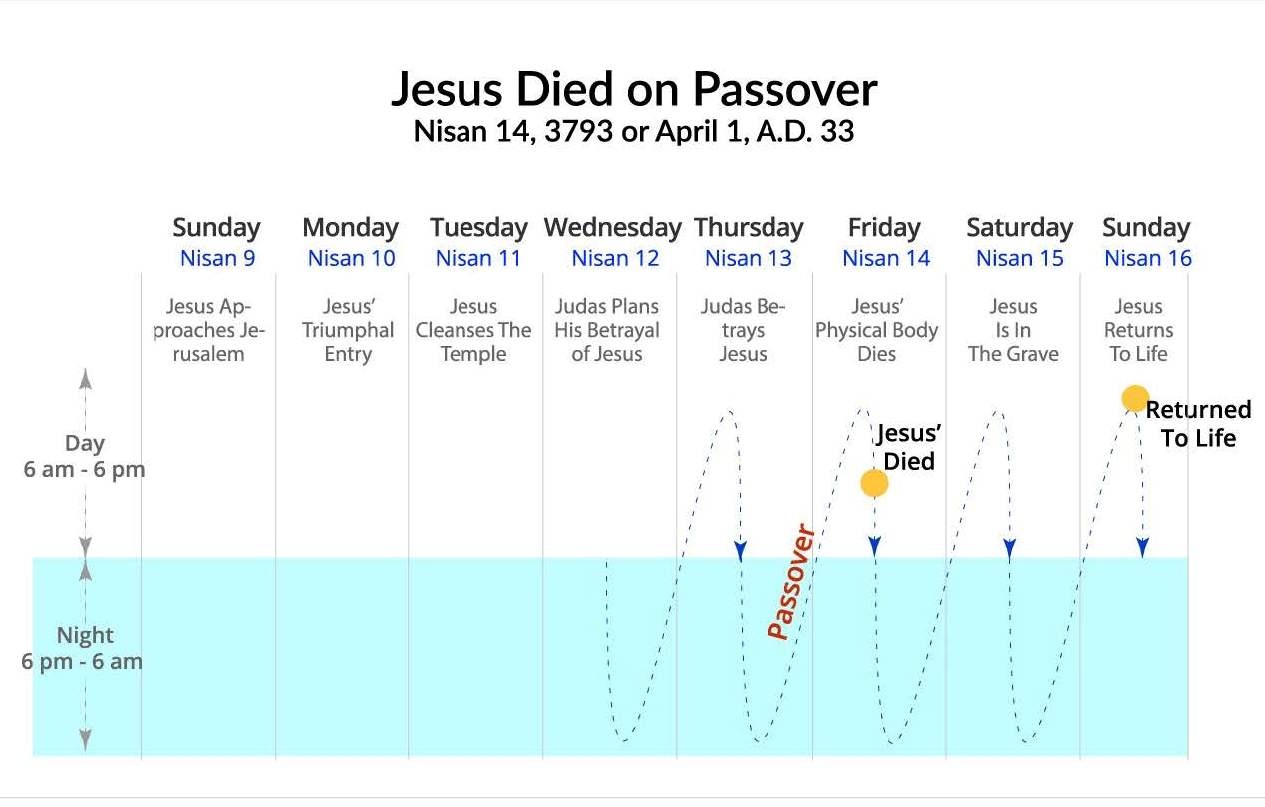
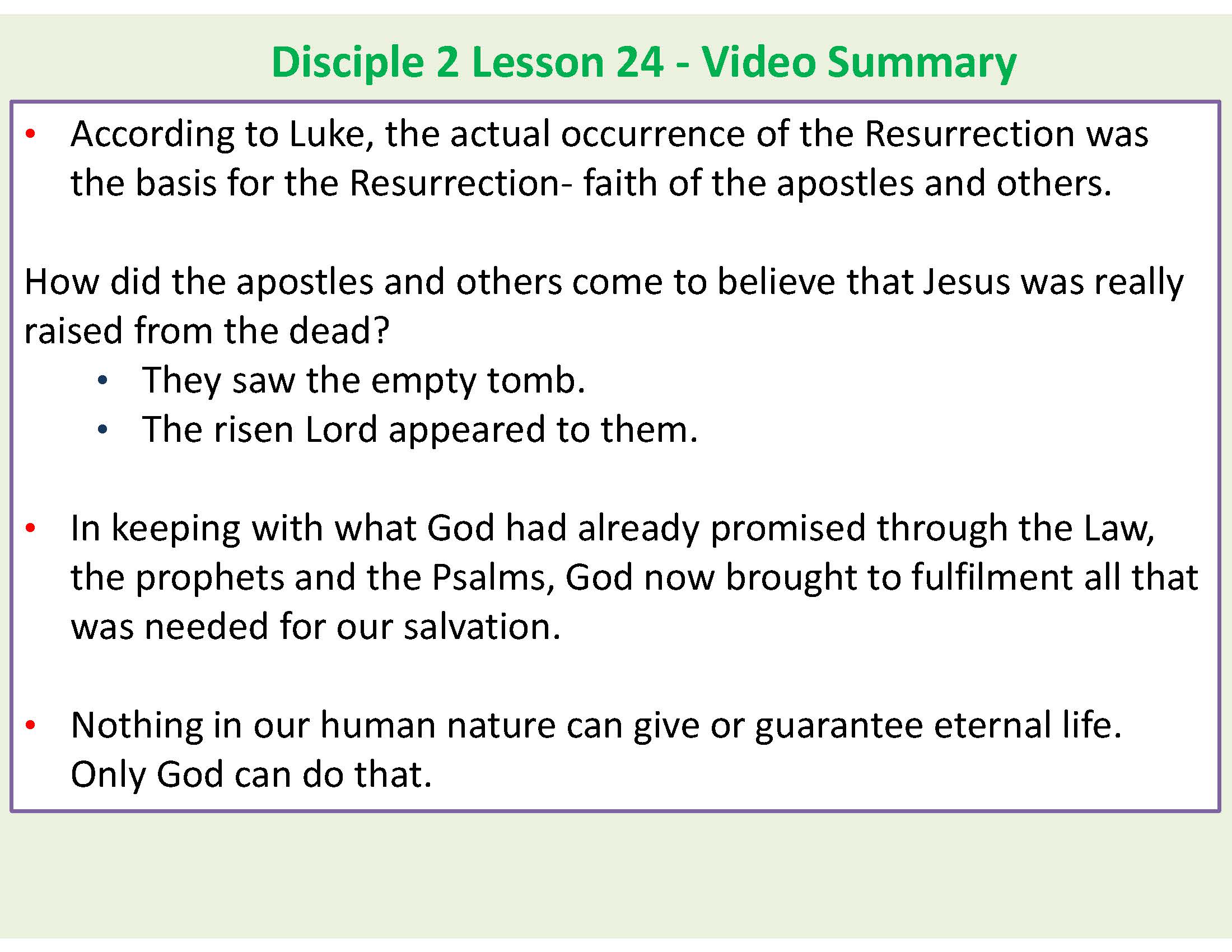
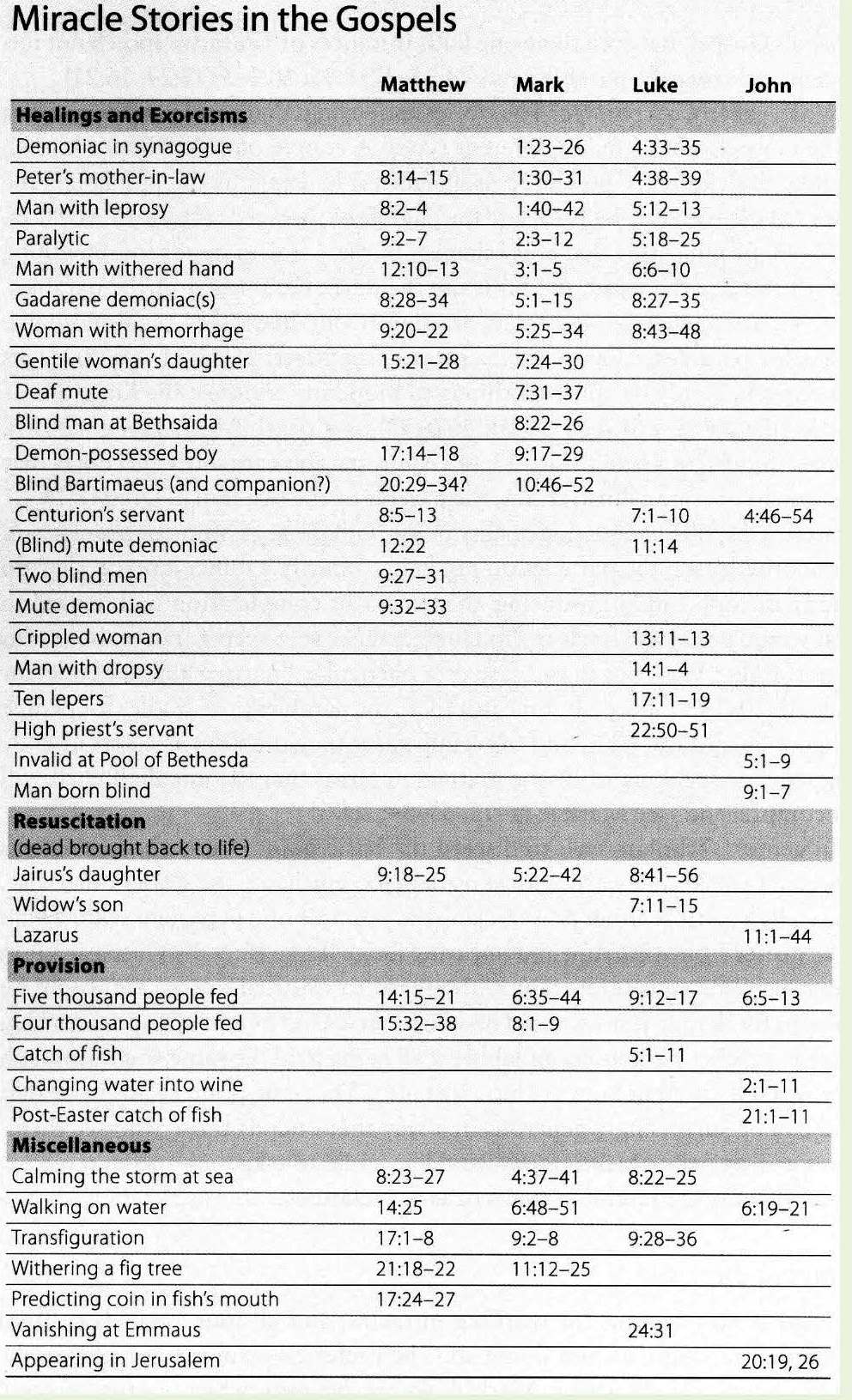
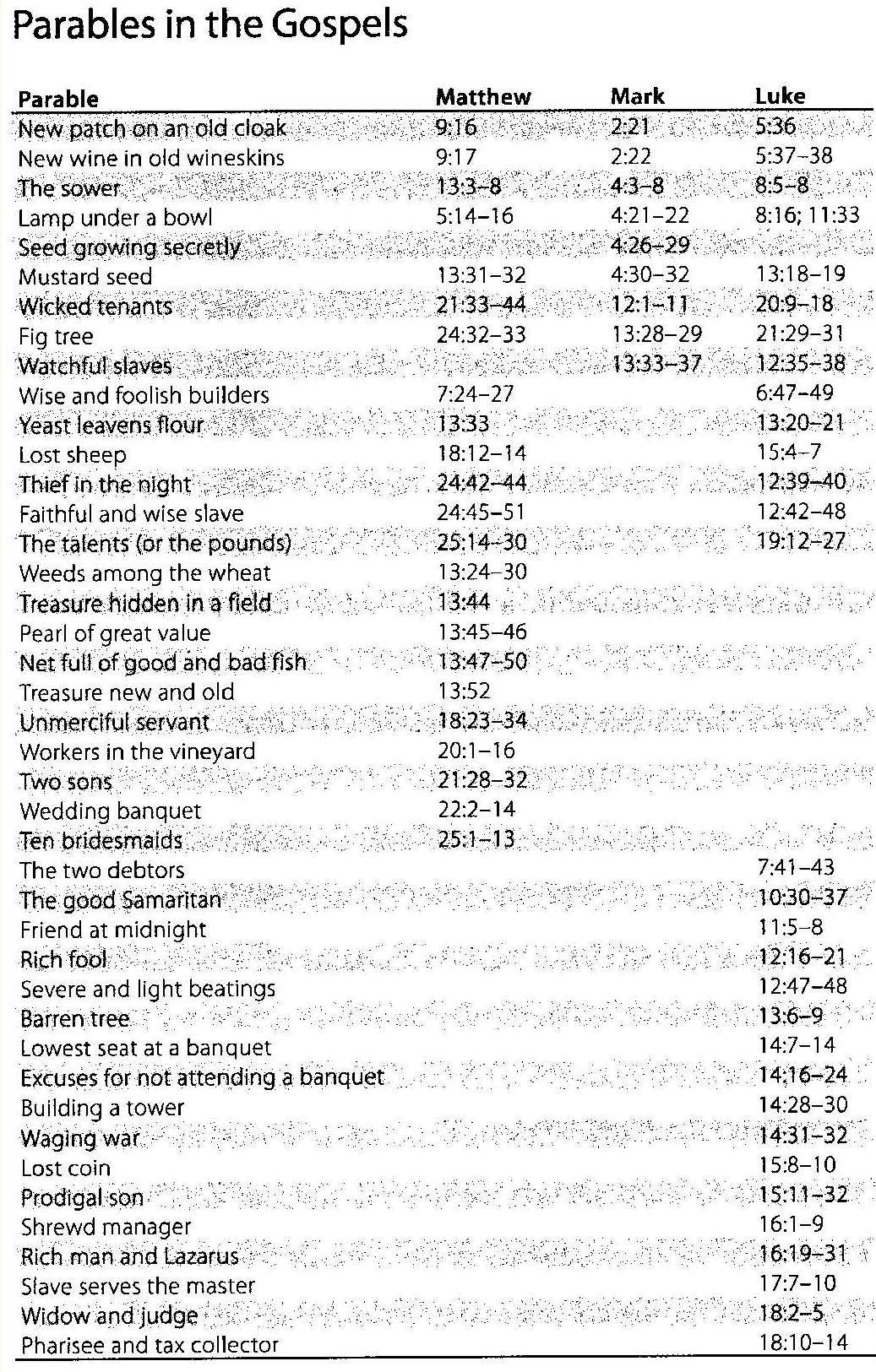
.jpg)
.jpg)
.jpg)
.jpg)
.jpg)
.jpg)